

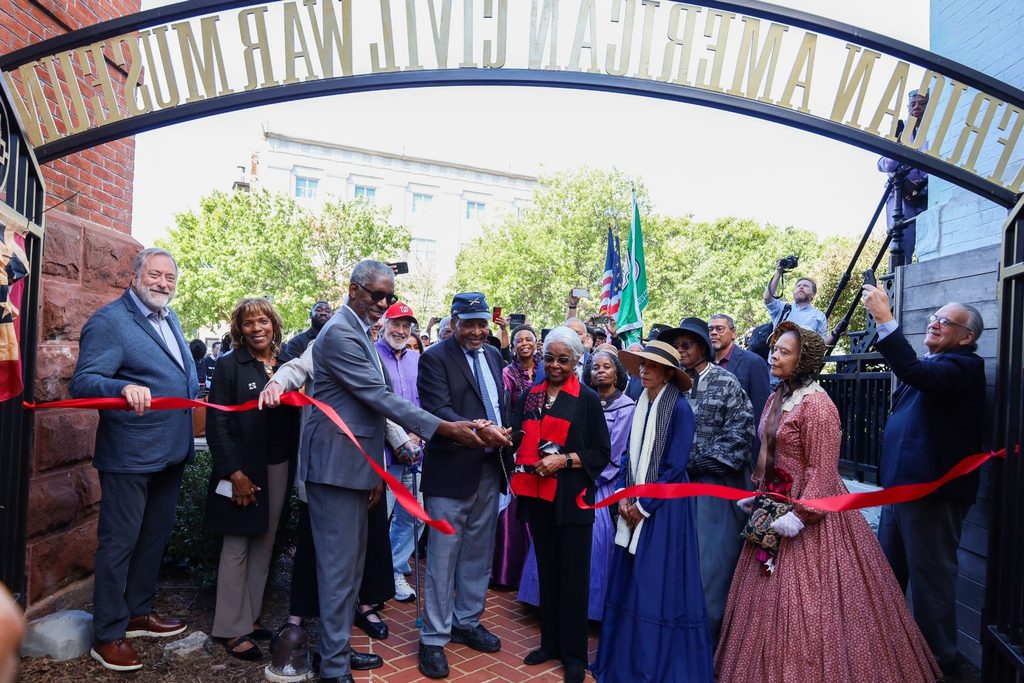
Inscribed on the Spirit of Freedom Memorial wall are the 209,145 names of the Black soldiers who served in the United States Colored Troops (USCT). They were honored for fighting in the Civil War for a freedom they didn’t yet have.
To further recognize their contributions, the African American Civil War Museum opened more than 26 years ago and is now celebrating its reopening.
The memorial museum welcomed guests on Wednesday, Sept. 30, for an official opening ceremony following a four-year closure. During that time, staff rebuilt and redecorated the building.
Some new amenities include a media theater, over 200 new artifacts and the new feature named “From Slavery to the White House” that captures the history of author and former first lady Michelle Obama’s descendants who fought in the United States Colored Troops.
Frank Smith, Ph.D., founder and executive director of the African American Civil War Memorial Museum, said he has long dreamed of honoring the USCT and has since worked toward that dream.
“Before the Civil War, it was against the law to teach Black people to read. These soldiers are the ones who made it possible for them to get an education,” Smith said.
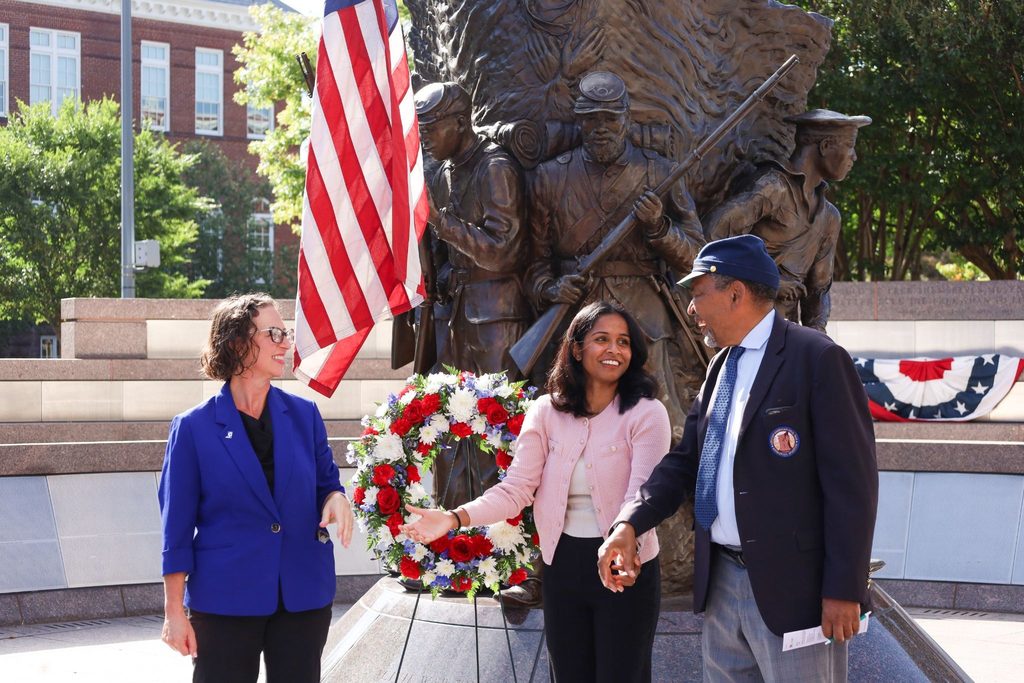
The museum’s board of directors, its members, local businesses, donors and staff were recognized for their contributions, all taking place by the bronze statue of the Former President Abraham Lincoln signing the Emancipation Proclamation. As Smith spoke to the community, they laughed at his jokes, recorded on their cellphones and cheered in celebration.
Ben Ali Jr. is the son of the founder of Ben’s Chili Bowl, which is located on another historic part of the U Street corridor. He said that, as a family business, they are doing their part to further the cause and support the community, especially with so much going on in the country.
“It’s fantastic to keep this history going, to keep the legacy of our family’s business going and uplifting our people,” Ali said.
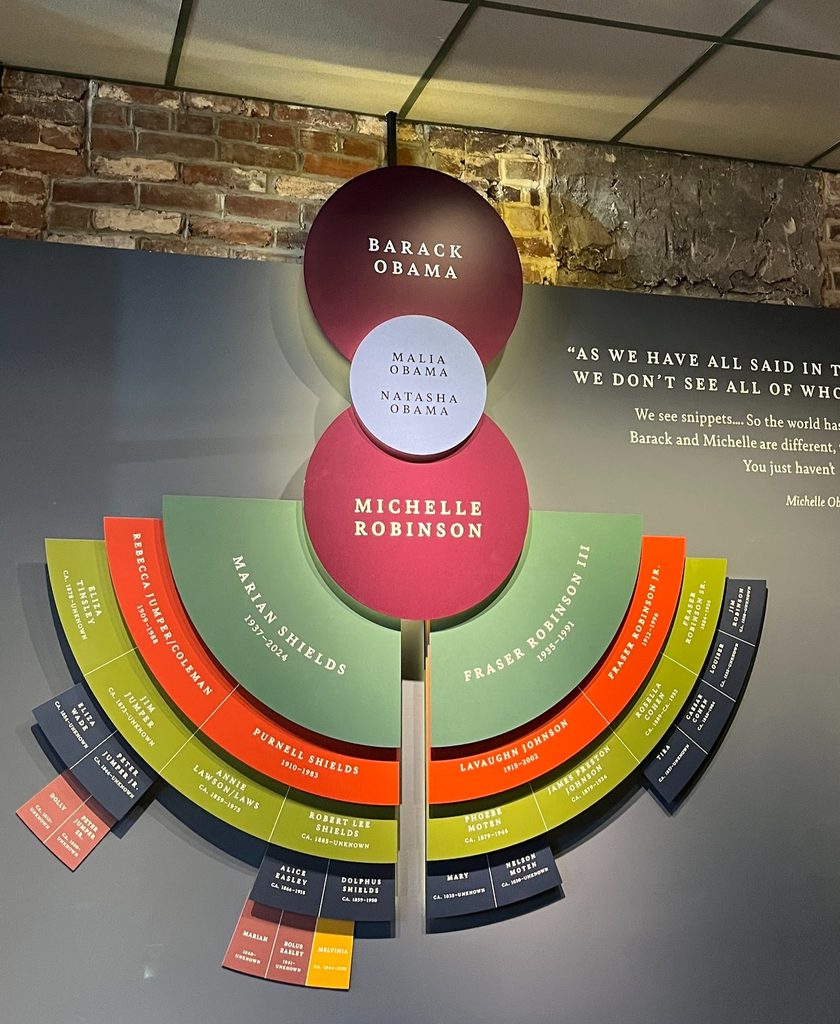
Beyond the Obama exhibit, guests can walk through three levels of history through videos, photos, artifacts and literature that aim to educate. The basement includes classroom spaces that serve as community resources. Other amenities include a revamped courtyard entrance and full elevator access, all available free to the public.
“Back when we started, you could see Howard from here. We want to make it a part of freshman orientation,” Smith said.
Hazel Trice Edney, an adjunct professor at Howard University who teaches Multicultural Media History and is editor-in-chief of the Trice Edney Newswire, said students should want to be part of what’s happening at the museum. Students were in attendance, but were vastly outnumbered by older adults.
“The educational aspect is magnificent. [Smith is] doing this pull for the specific purpose of the education of Howard University students, so that his vision can be carried forward,” Edney said.
Jailin Boehm, a senior history major from Dallas, works as one of two museum interns.
“[Students] know where the station is, but look across the street, they don’t know there’s a museum right there. These are men who gave their lives to be free,” Boehm said.
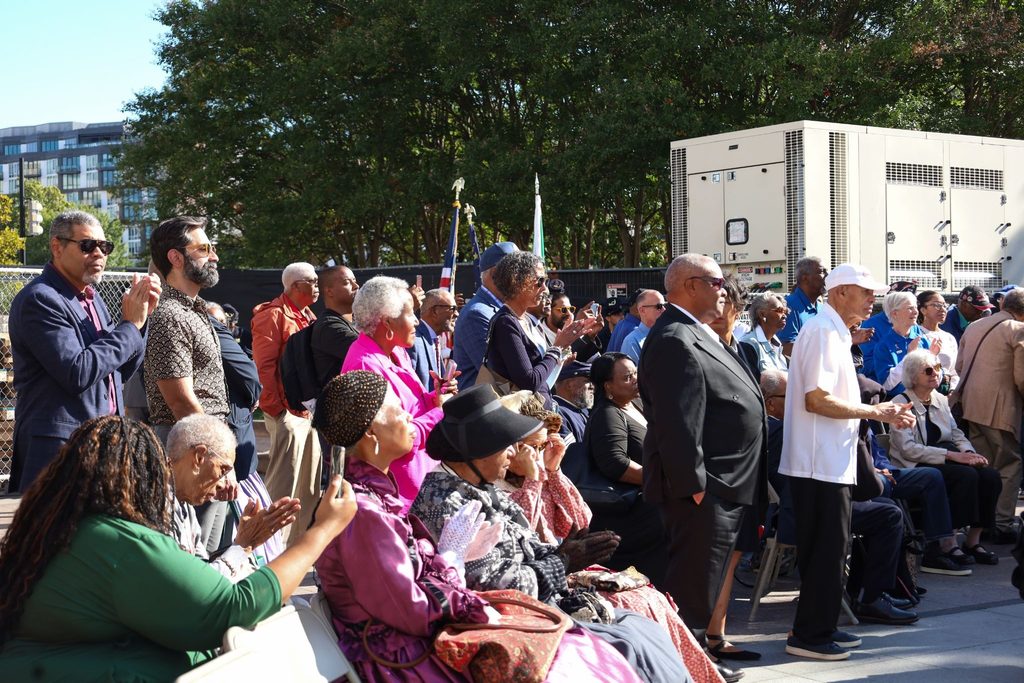
The museum runs on community support and volunteers to keep it running. Thomas Blanton, a volunteer of the museum, said he has appreciated the different kinds of support the museum has seen. He encouraged students to explore their own ancestry to find their connection.
As it embarks on this new chapter, the museum’s staff and director will continue to host events, most notably its annual Veterans Day Reading of the Names in November. This event will commemorate the over 200,000 troops who served in the U.S. Army and Navy during the Civil War.
“Find their stories. Make that connection because you’re alive, so somebody was alive before you. Find that connection so that you can see forward as you look back,” Blanton said.
Copy edited by Jori Johnson