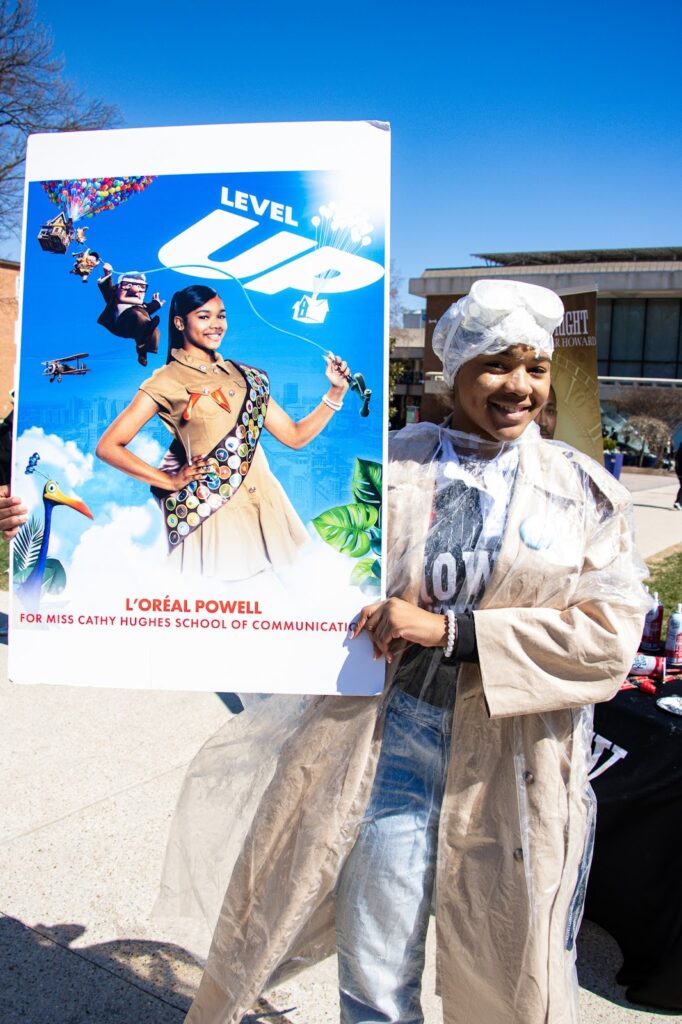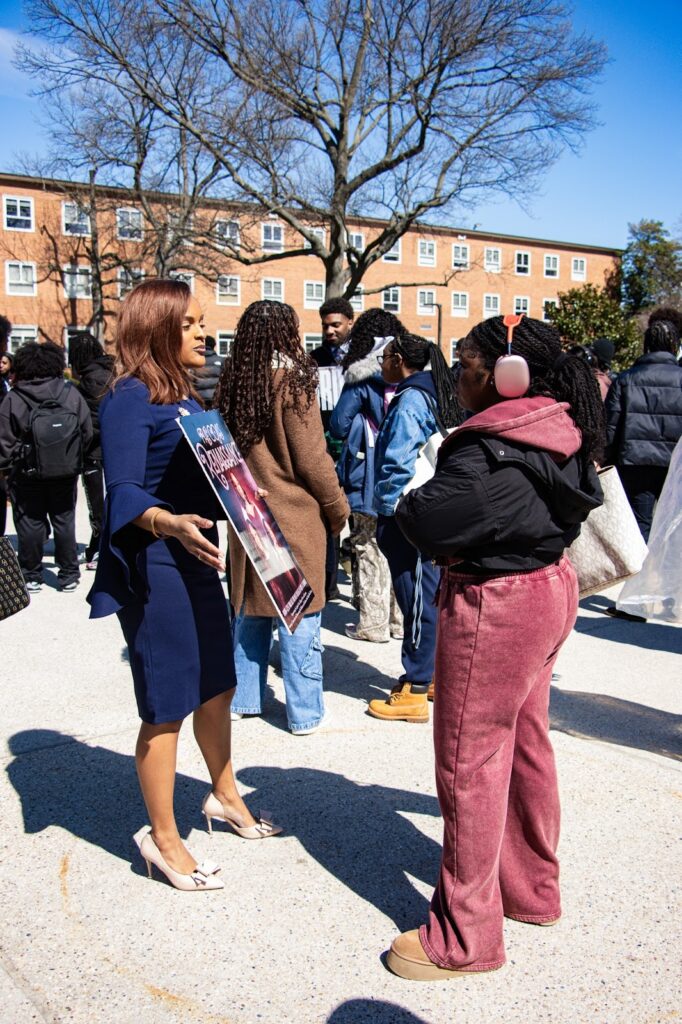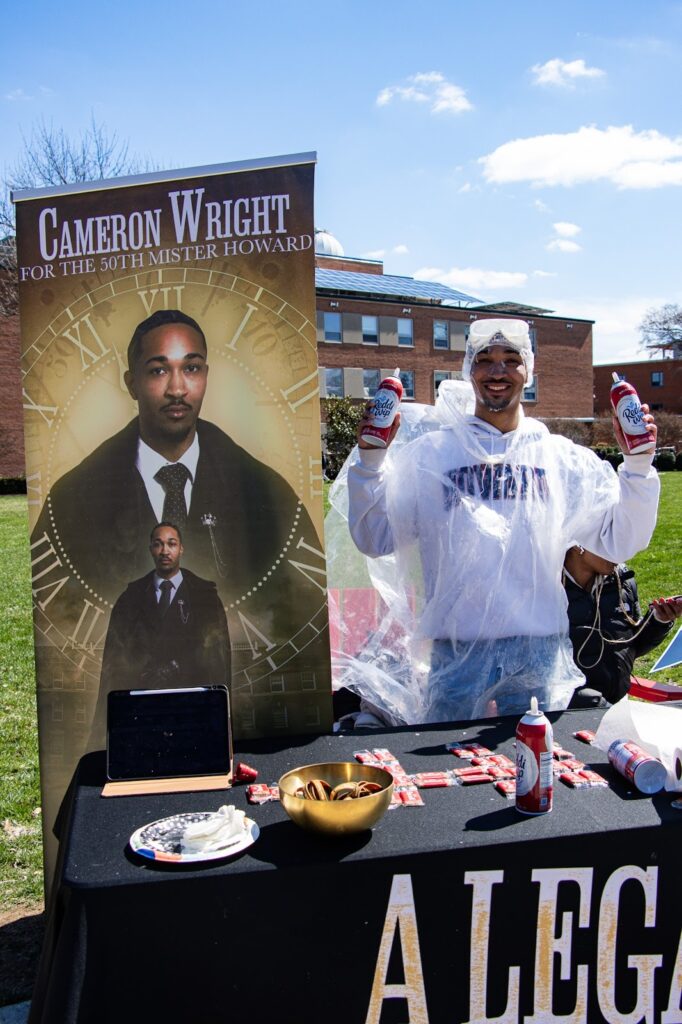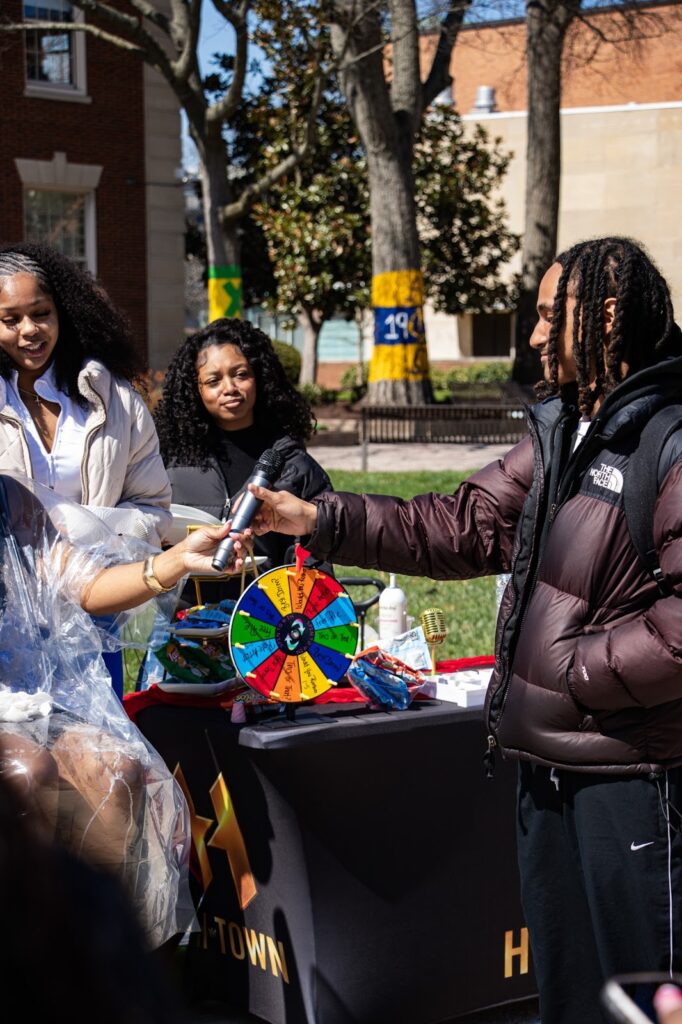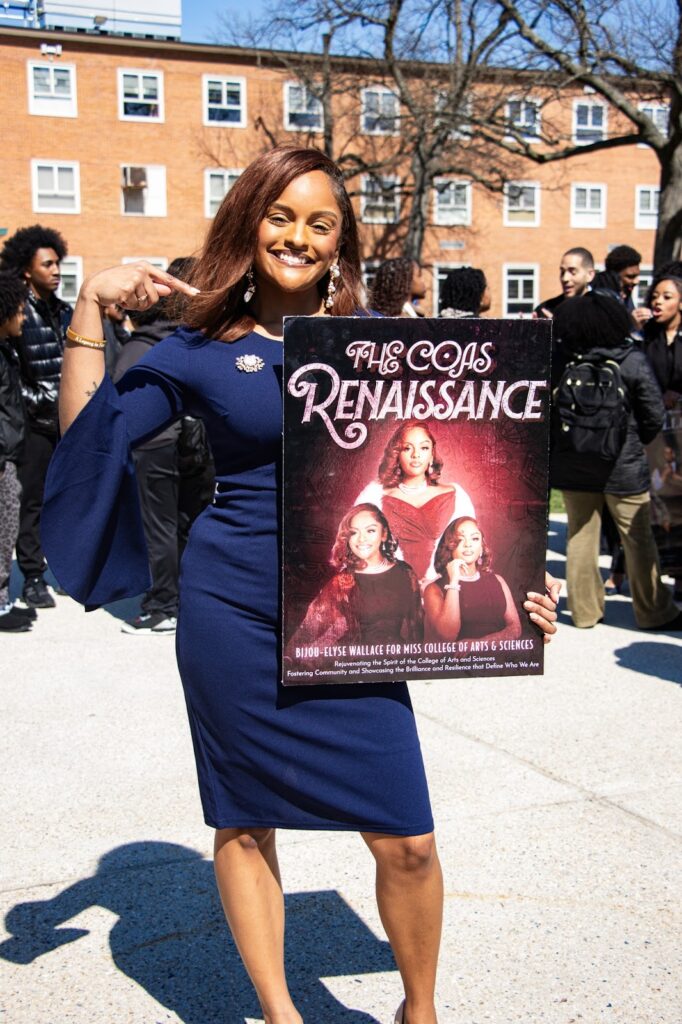

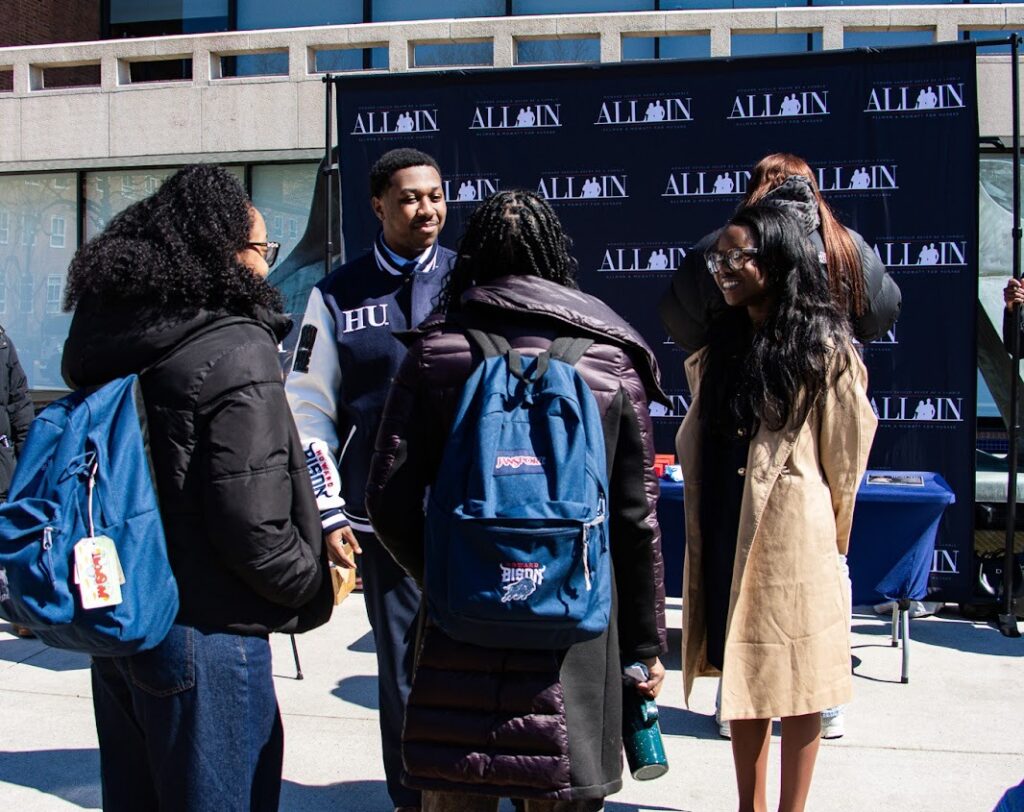
Campaign season is coming to a close as students prepare to vote on Wednesday for who their next student leaders will be. This year, students are looking for new voices in student government, a reformed Elections Commission and candidates who align with them on key issues like campus-sponsored transit cards.
Elections will determine the new Mister and Miss Howard, Howard University Student Association (HUSA) president and other roles across student government and the Howard royal court. This pending change in leadership has resurfaced grievances that Howard students would like addressed in the following school year.
Diversity in Campus Politicians
Students like Sydney Warren, a junior nursing major and Detroit native have noticed a pattern of the same students involved in elections year after year.
“As a junior I have seen a bit of a pattern,” said Warren. “A lot of these people who have ran before and won do want to win again year after year, so we do see some familiar faces. It does show that they are dedicated to making a name for themselves at this school.”
Warren, however, believes there is some favoritism at play in some students’ repetitive success in elections. She calls the elections commission into question and calls for a drastic change.
“I feel like the people in charge should not be college students, because there is some bias that I’ve noticed,” she says, “I feel like it should be some advisors, someone who has no relation with these candidates.”
Elections are overseen by a group of students known as the Howard Elections Commission. The outgoing HUSA president selects a student to serve as commissioner of the commission, and the commissioner selects the rest of the positions within the commission.
New Elections Commission
This year’s elections are especially vital after controversy regarding the way elections were handled this past year culminated in a complete firing of the previous Howard Elections Commission in April 2025 following several alleged campaign violations during last year’s elections.
This year features a brand new group of students serving as the Howard Elections Commission.
At their press conference in August 2025, the new commission said they plan to remove corruption in the election process and promote transparency by introducing new initiatives, including establishing a violations appeals board and violations investigations team.
Last month, the Elections Commission made good on some of their promised initiatives, implementing several reforms that are meant to fundamentally change the way elections take place at Howard. Their goal is to make elections less about finances and popularity and more about merit and policy.
Jae’dyn Smith, associate commissioner of the Howard Elections Commission, said, “We’ve definitely seen a large improvement in transparency this year, not only in the candidates but in the elections Commission as well.”
These reforms include public financial disclosures and budget templates, ensuring that what candidates spend their money on is public and accessible.
These reforms notably came following the fall special elections, where a freshman international business major from Birmingham, Alabama, was disqualified due to spending more than $2,700 over the expense limit and was then “rightfully” reinstated and charged a strike instead.
Taino Moreno, a sophomore political science major and the current elections committee chairman, directly oversees the elections commission. He said he is quite pleased with the reforms instituted by the commission.
“A lot of the drama that went down last year during election cycles led to a distrust in the elections process here at Howard University,” said Moreno. “Myself and Commissioner Willie White at the very start of this new administration, knew that we had to work together to better the reputation of the elections commission and just elections overall.”
However, Moreno also believes that even with financial reforms, money will always play a role in elections.
“When we see a Chick-fil-A [sandwich,] or when we see a gift card, our pupils get enlarged,” Moreno said. “But I think it’s about not being hypnotized by those things.”
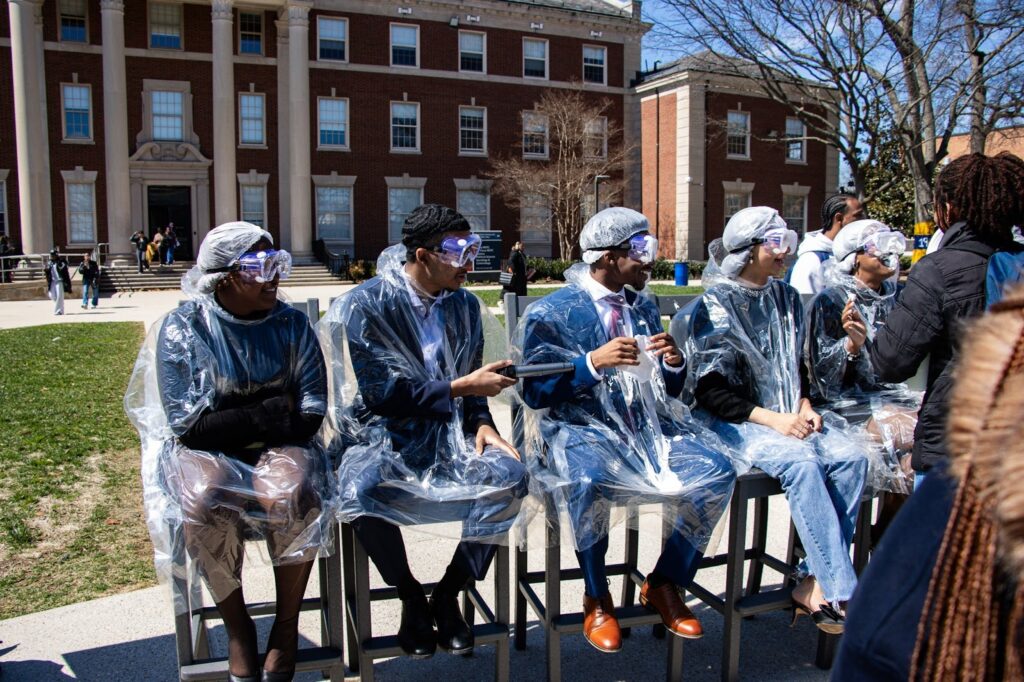
Also included in the reforms were “Crossfire Reports,” which are debates that summarize candidate platforms; created so that students are informed about a candidate’s policy. However, after the COAS crossfire, students are still split on whether or not they know each candidate’s policies.

Amari Sanders, a sophomore political science major from Baltimore said elections are a “popularity contest.”
Richard Jones, a junior political science major from Charlotte, North Carolina, said it is up to the candidate to ensure that their policy gets across to students.
“It just depends on how visible the candidate is, because sometimes, when you get to the actual ballot to vote, there’s people on there that you’ve never seen before.”
Key Issue: Campus-Sponsored Transportation Cards
When choosing who to vote for, students are looking for candidates who will support them with their wants and needs. A topic of discussion among many students is that of campus-sponsored transit cards.
“We definitely need free transit cards,” says Sanders. “Why do we have a metro stop named after us, and we don’t even have that?”
She believes that a potential increase in tuition would be worth it to allow students the freedom to traverse D.C. without having to worry about price.
Charlize Grisby, a freshman political science major from Stockton, California, said, “I feel like [public] transit is the only form of transportation here. Why should we have to pay as students?”
Though it seems students are willing to stomach higher tuition in exchange for free transportation, some students would like to see tuition lowered in other areas.
Richard Jones, a junior political science major from Charlotte, North Carolina, believes that lowering the student activity fee should be a priority.
“I know that it’s been voted on in the past, but with the recent raises in tuition, it’s a prevalent issue,” said Jones
The student activity fee is one of the only charges that students can directly affect, with the fee only being allowed to increase with a request and ratification under the guidelines established by the HUSA.
The student activity fee increased by 19 percent at the beginning of this academic year according to the university’s Official Notice of Student Charges.
Poll Numbers
Moreno believes that other issues at Howard prevent voting from being high on the list of priorities for students.
“If you’re worried about your financial aid, your housing, your grades or your food options, you might be so overwhelmed and so stressed that you just don’t have the time to even think about it,” said Moreno.
Moreno believes that students need to see tangible results to prioritize voting. He believes it’s the students who need change the most who are the least able to prioritize voting.
Smith agrees, asserting that if students don’t feel the results of their vote, they become hesitant to vote at all.
“Students can feel disenfranchised or feel a little bit betrayed; as though they didn’t get what they wanted out of their student leader,” he said.
Smith also believes that while students still see the importance of student government, a lack of understanding stops them from voting.
“Some people are not 100% knowledgeable on the way that HUSA and our student government works,” said Smith. ”They aren’t sure what they should be looking for within candidates.”
Smith said that producing programming informing students about elections is something that the elections commission puts a lot of effort into doing.
“Different schools have different priorities, but overall I feel like there’s a large push for more transparency and accountability from the university,” said Smith
“The vast majority of our student leaders are just trying to improve the student experience in their respective branches.”
Copy edited by Daryl R. Thomas Jr.