


The lights dimmed at The Anthem last Thursday night as hundreds of fans waited for LNGSHOT, the opening act for Jay Park’s “Serenades & Body Rolls” world tour. Fans cheered, cried and even barked along as LNGSHOT performed, setting the tone for a night centered on Korean hip-hop and R&B.
LNGSHOT, the first boy group signed to Park’s label MORE VISION, took the stage at 7:30 p.m., performing songs including “Saucin’,” “Backseat” and “Moonwalkin.’” The four-member group performed for an audience spanning different ages and backgrounds, wearing baggy jeans and matching denim jackets as they rapped and breakdanced across the stage.
“I really loved the concert, seeing Jay Park for the first time after being a fan for so long was surreal. I’ve been waiting to see him for years.” Taz Robinson, an attendee of the show, shared as the night came to a close.
As LNGSHOT left the stage, the crowd grew louder in anticipation of Park. When he appeared in a denim outfit and shades, fans held up signs reading “LATINOS 4 JAY PARK” as he began his set.
Park has built an expansive solo career spanning hip-hop and R&B, founding his own labels AOMG and MORE VISION and even becoming the first Asian American artist signed to Jay-Z’s record label Roc Nation.
As K-hip-hop continues to reach international audiences, that relationship raises different questions for Black listeners. Some view the genre as an example of the global reach of Black music, while others question how Korean artists acknowledge the Black artists and communities behind the genres they draw from.
Robinson, a 27-year-old D.C. native, has been a fan of K-pop since she was 10 years old. For Robinson, the influence of Black culture within K-hip-hop is noticeable, particularly in the fashion and language used by some Korean artists.
“These guys are wearing baggy jeans, Jordans and saying things like ‘ayo shawty,’ it’s clearly influenced by African American culture,” Robinson said. “To me, it’s a bunch of Korean guys doing what everyone else has been doing since the start of hip-hop. Black is the blueprint.”
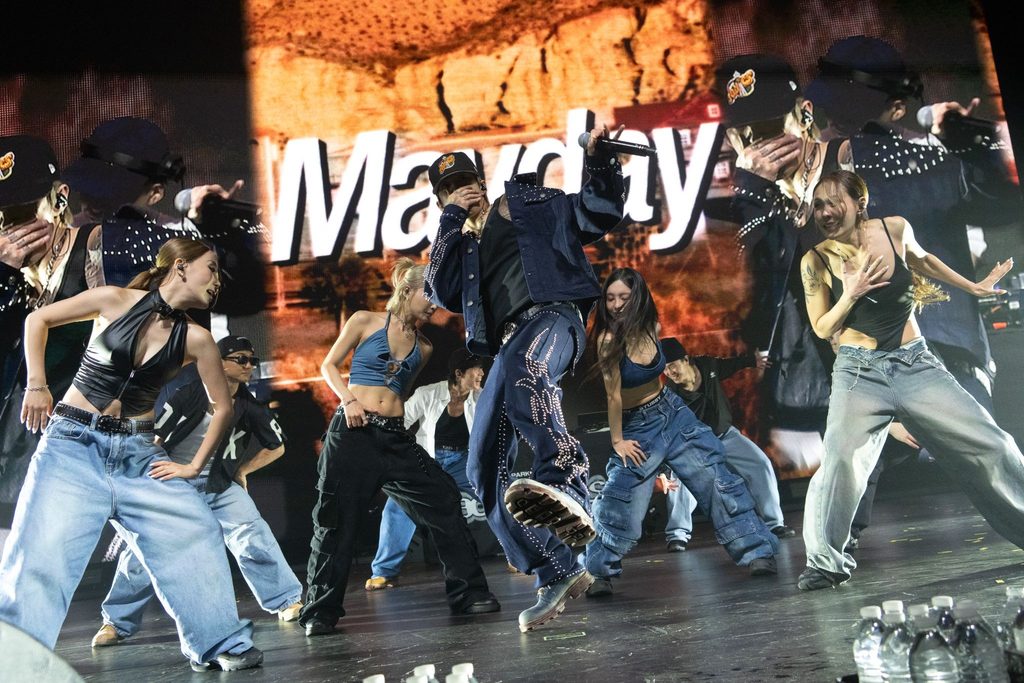
Robinson said that while she recognizes the influence, she does not necessarily view it as a reason to dismiss the genre or Park’s work.
“I think Jay Park’s doing it well,” Robinson said. “He’s really talented, has a lot of albums out, even started a record label with a bunch of other talented artists.”
While Robinson recognizes Park’s impact, she also believes crediting African American artists remains necessary.
“I do think the conversation around the influences behind K-hip-hop should continue,” Robinson said. “The exchange of language and culture is super important, but it comes with giving people the respect they deserve and the credit that comes behind it.”
Another guest at the concert, Zara Flucker, said she enjoys K-hip-hop and follows groups includingStrayKids and LNGSHOT. However, she acknowledges that there needs to be a larger discussion surrounding their influences.
“I notice a lot of their tone and musical notes imitate Black artists,” Flucker said. “Even the way they steal dance moves or try to imitate our hairstyles and speaking patterns. Some artists do give respect and credit, while others are blatantly disrespectful and steal our culture.”
Multiple K-hip-hop artists have acknowledged their influences from Black artists, Jay Park being one. In an interview with Complex, he cited Tupac and Jay-Z as two of his rapping icons and mentioned how Beyoncé cosigned his work at a Roc Nation Brunch. Thursday night at the D.C. show, he paid tribute to Michael Jackson by performing “Billie Jean” in a glittering jacket and matching glove.
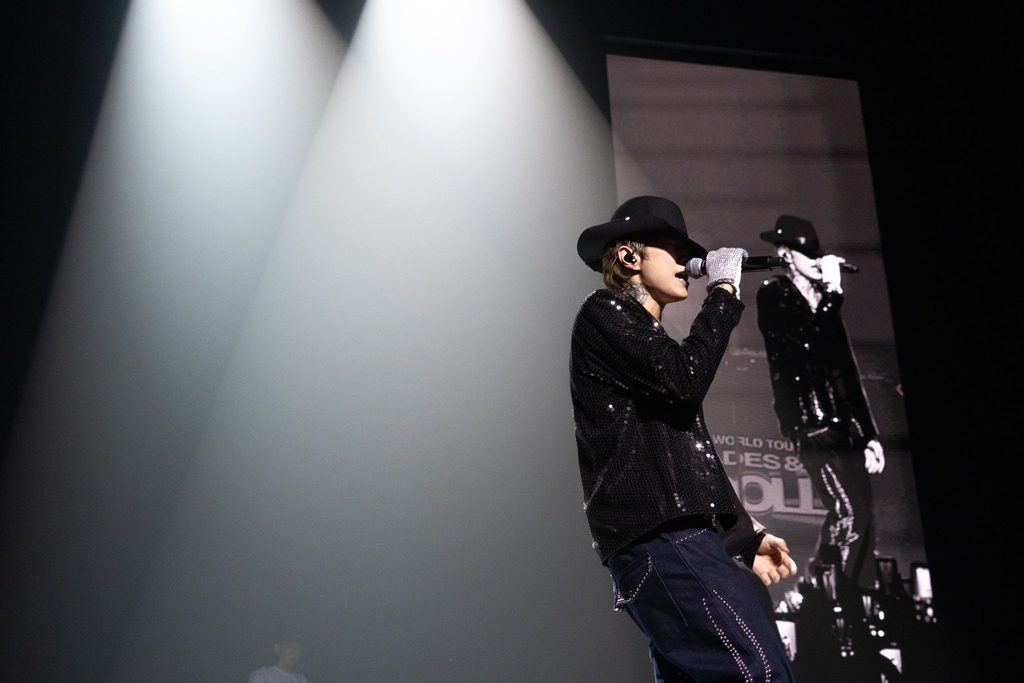
Jasmine Young, the director of the Warner Music Center for Music Business at Howard University, said she sees Korean hip-hop as a positive way to put hip-hop on a global stage.
“I love that hip-hop has become a global language; the sharing of our culture is amazing,” Young said. “I do think that all flowers should go to the founders of hip-hop, but it’s up to us as the culture keepers to go out and make sure that people really understand the foundation of what it means.”
Young attributes an experience she had touring with DMX in Tokyo, where she says she saw many Korean and Japanese hip-hop artists have the utmost respect for black culture.
“A lot of the artists who are pursuing k-hip-hop really practice, live and breathe it. They love the culture and I wouldn’t say they’re emulating us,” Young said.
Young notes that companies representing k-hip-hop artists should remain open to conversation with the Black community.
“I think our conversations should be more about bringing communities together as opposed to picking them apart, and having global conversations about the music world is what can push us to enlightened conversations,” Young said.
Copy edited by Daryl R. Thomas Jr.