

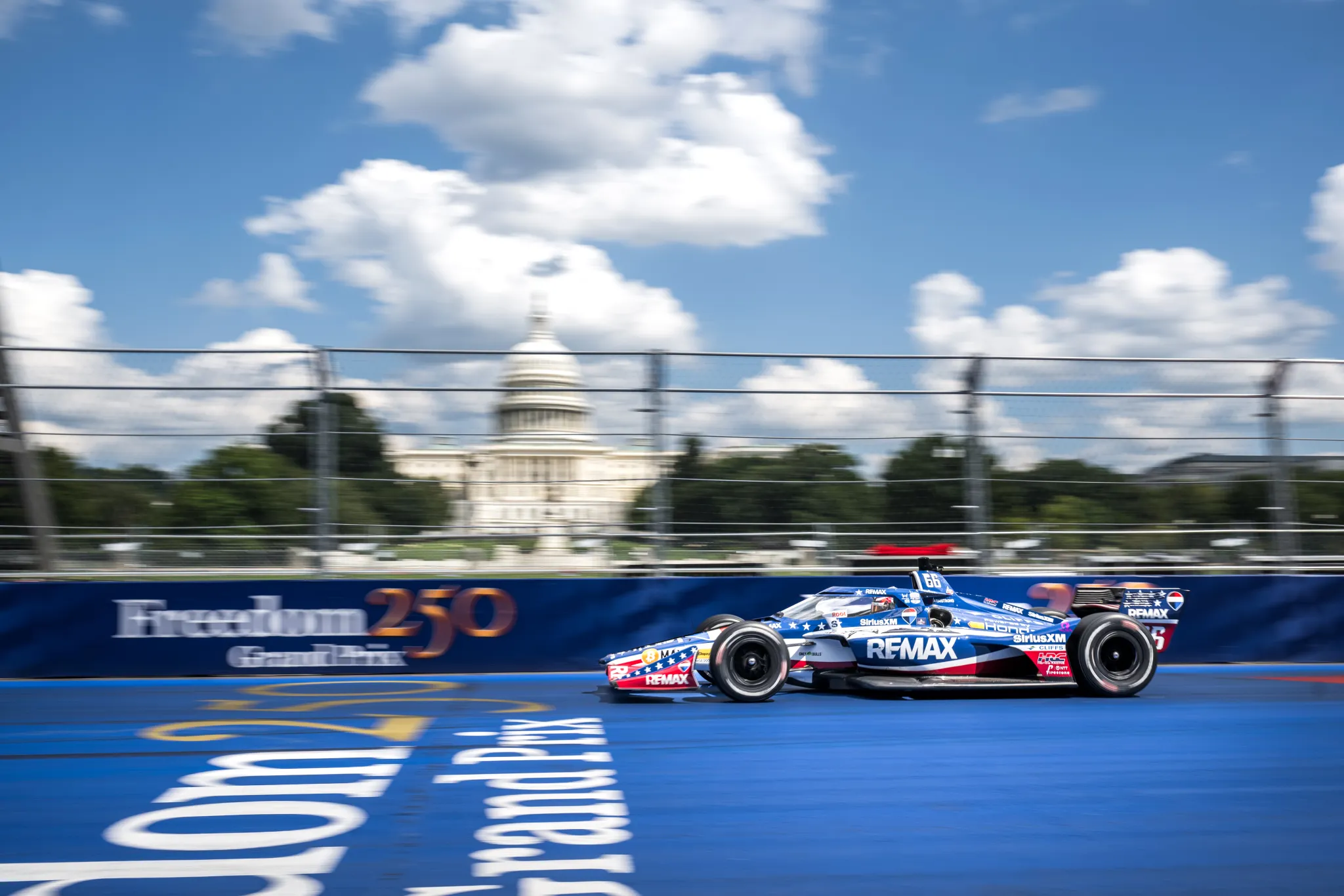
If one walked down the quiet street of Constitution Avenue in the final week of August, where the only noises are those of construction crews working to dismantle the Freedom 250 Grand Prix track, it would be hard to imagine the true fanfare of the event itself.
On Aug. 22 and 23, race cars reached speeds of up to 250 miles an hour around the National Mall in celebration of America’s semiquincentennial.
Despite concerns around the event’s large price tag and possible impediments to the local community, the event was enjoyed by thousands, according to attendees.
All 100,000 general admission tickets, free via lottery, were claimed before the event. Marcus Fountain, a fan of Netflix’s “Formula 1: Drive to Survive,” believed it was a once-in-a-lifetime experience.
“I just don’t think it’s ever going to happen again, so I wanted to be there and see it with my own eyes and experience the race,” said Fountain, who lives near Baltimore, Maryland.
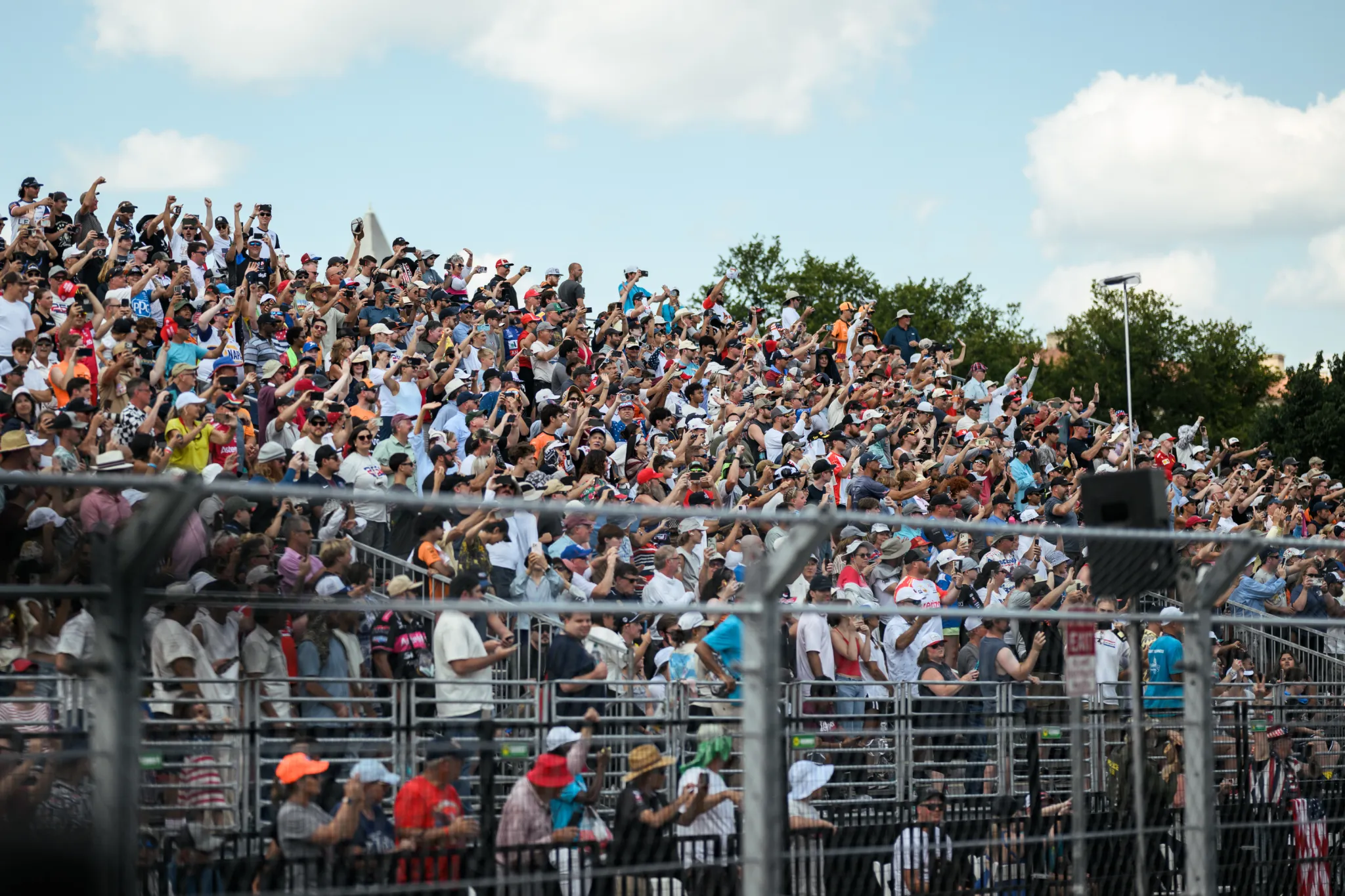
He described his experience as being seamless, from getting to the event via Metro to seeing the race in front of the Department of Justice building. As an African American, Fountain was concerned about a possible presence of far-right politics surrounding the event, but still found the Grand Prix to be diverse and delightful.
“I met a lot of really nice people, and I didn’t experience anything political,” Fountain said. “I think what made it special, you could just feel the huge atmosphere. It was like the Super Bowl,” he described.
The event, which had over 65 corporate sponsors including the Penske Corporation, Boeing and Honda, was almost entirely paid for by private businesses, according to Bud Denker, the chair of the race.
A spokesperson for the Executive Office of the Mayor said that the office primarily helped to coordinate the event’s security and safety measures. According to the spokesperson, D.C. will not foot any of the bill.
“The IndyCar people are paying for any alterations for the road,” explained the spokesperson, before adding that all security costs were reimbursed through the Emergency Planning and Security Fund.
“That is a federal account replenished by Congress through their budget appropriations that the district uses to reimburse costs for major events,” they added.
In the weeks leading up to the race, concerns were raised about possible damage from car vibrations to delicate art and artifacts housed around the racetrack by organizations like The Living New Deal Project.
The three Smithsonian Museums around the racetrack limited their admission to Grand Prix ticket holders on the weekend of the race. According to the National Gallery of Art, no damage has been incurred by their collection. None of the buildings surrounding the racetrack have reported any damage to art.
The Department of Transportation and the Department of Interior, which were involved in organizing the event, and Team Penske, the event’s main corporate sponsor, did not respond to requests for comment.
According to the Metropolitan Police Department’s, the majority of the initial road closures in the Capitol Hill area have reopened, but sections of Constitution Avenue Northwest, Pennsylvania Avenue Northwest and Fourth Street Northwest along the National Mall will remain closed through September for disassembly.
Copy edited by Sydney Middleton