

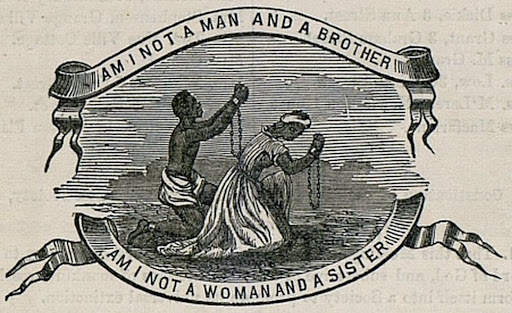
This year Black History Month events across the District featured community members reflecting on a century of nationally celebrating Black Americans’ contributions to the U.S., despite what some speakers described as ongoing efforts to erase that history.
Black History Month was officially recognized by the federal government in 1976, but its origins date back 50 years prior. Historian Carter G. Woodson established “Negro History Week” in 1926, marking this year as the 100th anniversary of official national observance.
Throughout February institutions across D.C. hosted film screenings, book talks and panels that addressed the central question of what Black History Month looks like at this moment in American history.
At the Martin Luther King Memorial Library, the 37th Annual Black Film Festival drew residents each Tuesday evening for screenings that included “The Harder They Fall,” “They Cloned Tyrone,” “Malcom & Marie” and “Detroit.”
Devonte Peterson, a D.C. government human resources employee who attended two days of the February film festival, described the series as a moment for cultural celebration and civic engagement.
“Free events like this, relevant to Black History Month, are a great alternative option to experience D.C. in a different light,” Peterson said.
The MLK Library also hosted a variety of other events that highlighted Black experience and achievement. On Feb. 17, the library hosted a panel discussing author Cheryl W. Thompson’s new book “Forgotten Souls.”
The book explores the story of 27 Tuskegee airmen whose remains were discovered in Austria almost 70 years after their death in World War II. There wasn’t any search for the veterans until 2011 when a search analyst began looking for missing veterans. Thompson stressed the importance of telling untold stories, especially where the work Black Americans did was remembered but the people were forgotten.
“These were real people with lives who had a future which they were robbed of. The families were robbed of the closure of ever knowing what happened to these men,” Thompson said.
Some of these men were fresh out of their mothers’ houses — the youngest was 20 and the oldest was 28. Thompson said that detail pushed her to write the book, and she urged young people to interrogate the histories they are taught.
“Ask questions about the stories you were told and the untold ones… Talk to your grandparents and learn their story,” she said.
Thompson said for Black Americans, history is too important to the foundation of the United States to be forgotten.
These conversations are made even more important, some attendees said, by contemporary political tensions over how history is presented.
In April 2025, at the beginning of President Donald Trump’s second term, artifacts were removed from the National Museum of African American Art and Culture and federal webpages were taken down as part of a broader review of “diversity equity and inclusion” related materials. Notably, Trump directed the “The Scourged Back” photograph, which depicted a formerly enslaved man, to be removed from the Smithsonian institutions in an executive order.
Marva Deskins, an alumnus of the Howard University School of Law who attended the panel, believes actions like these are a targeted effort to erase or hide Black history.
“As Malcom X once said, of all our studies, history is best qualified to reward our research,” Deskins said. “It’s really important that we lean into these opportunities and events like these to educate ourselves, to bring others to be educated.”
Deskins believes since segregation, African Americans have less Black pride. For that reason, she believes it is essential to support Black businesses, universities and manufacturers.
“What Black excellence and pride looks like is getting back to what our foundations were,” Deskins said. “In that time in our history, we knew all of our Black doctors, teachers and community. And we leaned in.”
Across town at Howard, the Warner Music Blavatnik Center for Music Business hosted a Black History Month advocacy panel called “Power & Platforms: The Influence of Entertainment on Social Change.” Students joined industry leaders to examine how media, policy and technology intersect with racial equity.
Renata Colbert, the director of state government affairs at the Motion Picture Association, told students that rapid technological change demands informed advocacy.
“It’s important because in the age of technology, how things move so quickly and policies are enacted so quickly. It is important to have these conversations so we’re armed with the truth,” Colbert said.

Colbert said that Black students knowing their history is the only way to truly know themselves.
“I want you guys to dig into the Fanny Lou Hamers, the Shirley Chisholm…Emmit Till just understanding what they went through for us to be standing here talking and thriving at an HBCU [historically Black college or university],” Colbert said. “Figure out how you can honor them in your own life and work.”
Jasmine Young is the director of the Warner Music Blavatnik Center for Music Business and one of the event’s coordinators.
Young highlighted the panel’s focus areas: representation, equitable ownership, ethical storytelling, fair labor practices, accessibility and how social media can be used as an outlet for change.
“I think it’s high time for us to stand up for everything that we believe in and take the steps and action to really get those things… I feel like Black History Month should be actionable. We should set goals as people,” Young said.
Dr. Robert Johns, director of strategic corporate engagement at Howard and event coordinator for the panel, stressed the importance of advocating on social media platforms in today’s media landscape.
“It’s important for us now in this media age to use our platforms for positivity and advocacy,” he said.”
Johns emphasized the importance of online advocacy, saying platforms aren’t neutral. According to Johns, platforms should be used as a springboard for a broader message, especially today.
“Remember that every form of advocacy and activism looks different…” Johns said. “You can be a small business owner or a teacher, but never forget that you still have a voice and ability to be an advocate to fight for the rights you deem important.”
While the world is becoming more digital, Johns wants people to stay true to themselves. To build community, platforms of national awareness should be used for positivity and advocacy, honoring those who came before us.
“You can never realize where you’re going unless you know where you came from,” Johns said. “Never lose yourself or your mission and your core of who you are.”
Copy edited by D’Nyah Jefferson – Philmore