

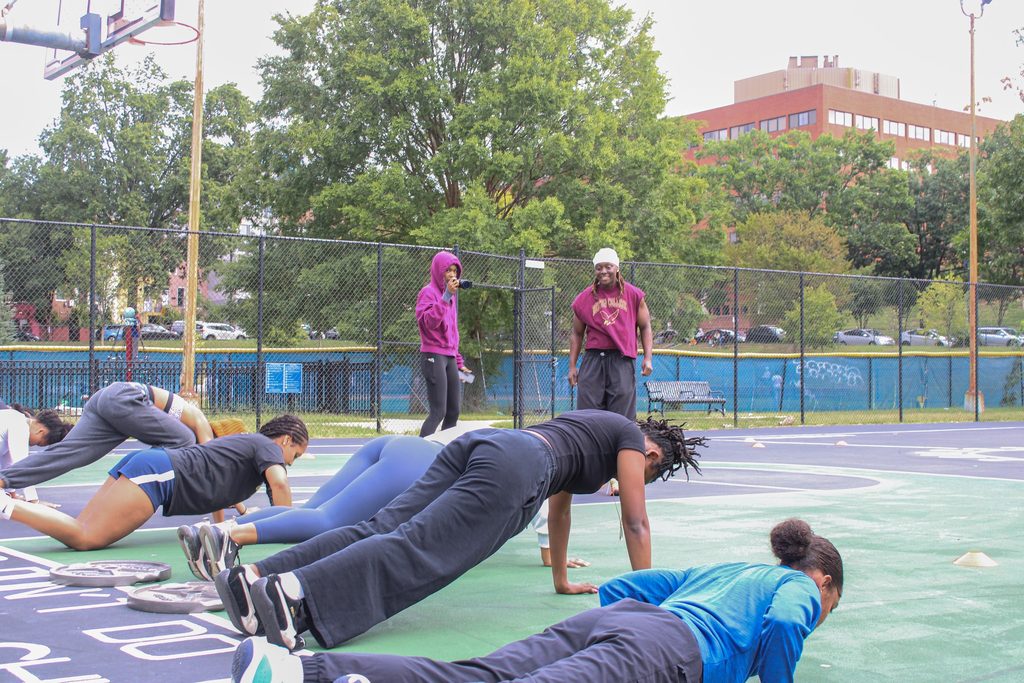
On a Monday at 6:30 a.m., members of RepHERsent are already getting ready to work out, typically at Banneker Recreation Center. Some arrive early for an extra lap before the group begins dynamic stretches. Later come sprint intervals and bodyweight exercises, with members encouraging one another to push harder each round.
For RepHERsent, the workout is only part of the reason to show up.
This women’s workout club at Howard University aims to help students build healthy habits while fostering a community that makes them want to return. Founder Cietta Mensah said she created RepHERsent with women’s long-term health in mind.
“I just wanted to be able to create a change within that community, starting from now as college communities, youth, young adults, so that we can prevent those long-term injuries,” said Mensah, a sophomore business management major from Silver Spring, Maryland
Her vision extends well beyond what members can accomplish during a single workout. She wants women to build the strength and knowledge they need throughout their lives, down to being able to carry groceries into the house when they are 80.
College is an important place to start, Mensah said, because waiting for a less busy stage of life can make it easy to put exercise off indefinitely.
Mensah said she saw an opening among the options available to students on campus.
An early RepHERsent member, Savannah Anderson, who covers public relations and marketing for the organization, described those options as often falling into two categories: a social club or a sport that demands a greater commitment. RepHERsent brings the effort of a structured workout together with the friendship and fun of a student organization.
That combination can make exercise feel less intimidating, particularly for someone who has been away from it for a while. Anderson, a sophomore public relations major from Orlando, Florida, said some members are returning to exercise for the first time in a while.
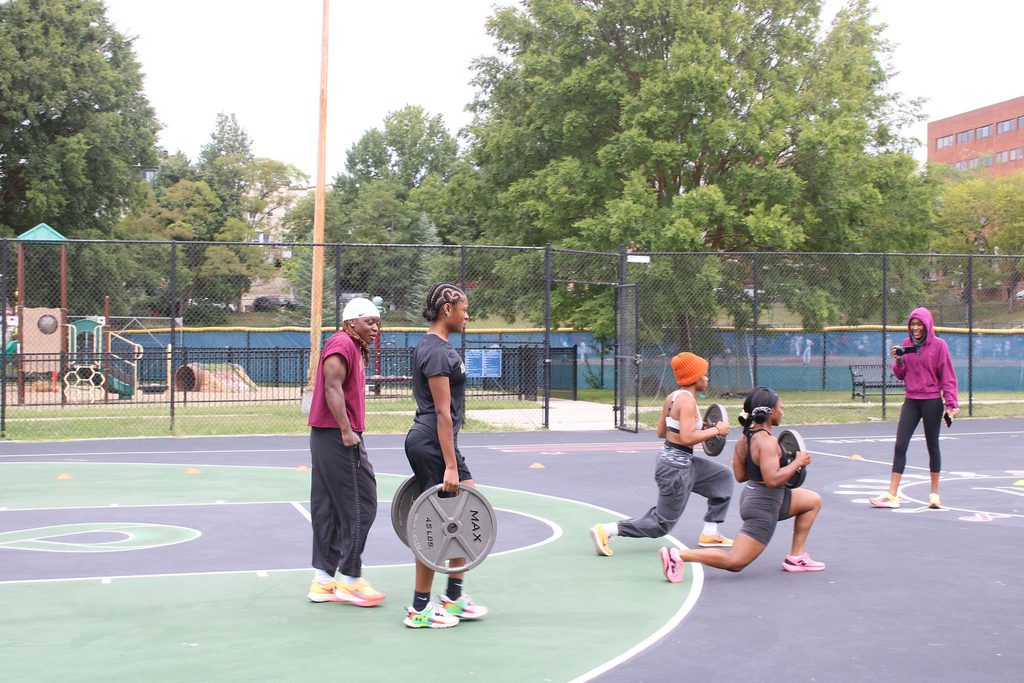
“This is a space for people who haven’t worked out, because a lot of people who come to RepHERsent, they haven’t worked out since high school,” said Anderson.
Anderson said walking into a workout space where everyone else appears experienced can be a barrier. At RepHERsent, members can begin where they are. They do not have to attend every session to belong, but the club encourages them to make a commitment to themselves.
That welcome begins as soon as members arrive. Shaniya Hurst, who works in communications for the organization, said she makes an effort to greet people, especially those attending for the first time.
“If I see somebody we haven’t seen before, I’m still gonna treat them as somebody I’ve been with,” said Hurst, a sophomore business management major from Queens, New York.
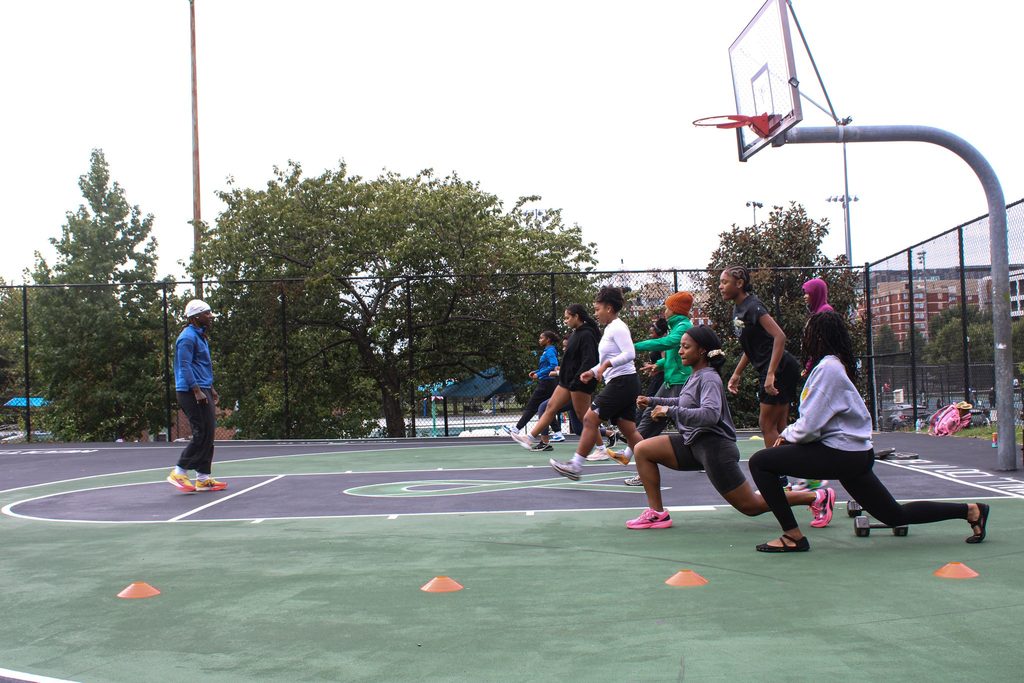
Once the workout begins, that encouragement continues. Members move through the exercises together, challenging themselves while seeing others do the same. The shared effort has helped turn RepHERsent into a place where students can form friendships beyond their classes and usual campus circles.
“When you do show up, there’s a lot of people in the community that it has. It makes you want to come back,” Anderson said. “It’s not only about doing it for yourself, but the people that you meet there.”
For Anderson, that sense of community is personal.
“I feel like that’s what brings a lot of people back, is the community that we have, and that’s what personally brings me back,” she said.
RepHERsent’s leaders are also seeking sponsorships that could help them provide drinks, food and other resources for members.
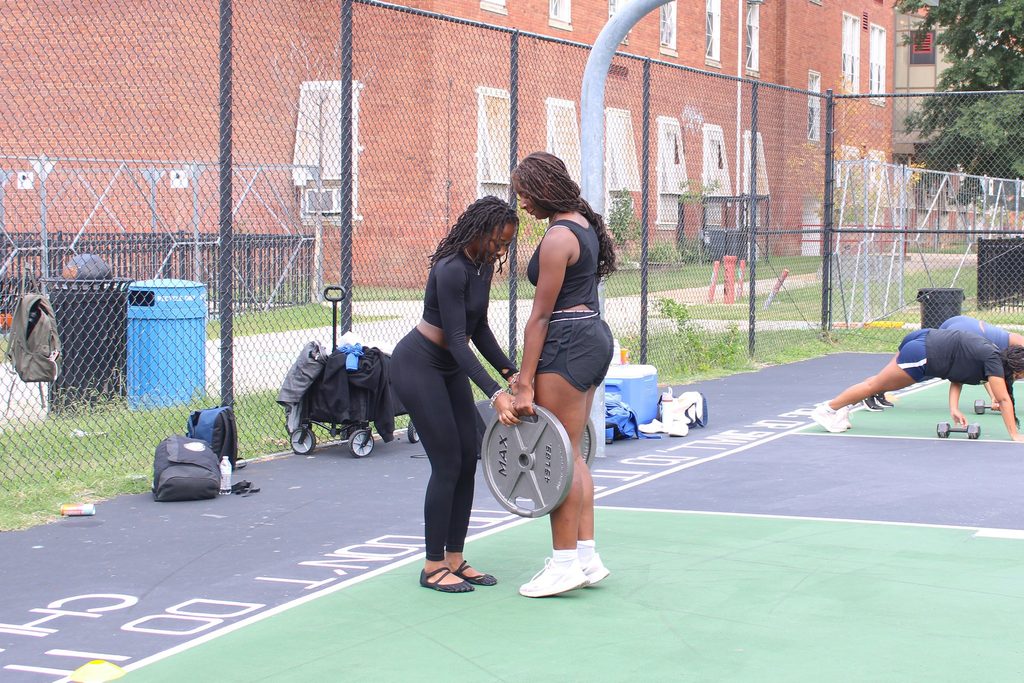
Their ambitions go further than expanding the workouts. The group hopes to secure a space where it can hold seminars and share information about fitness and women’s health. RepHERsent wants its members to learn from one another and eventually pass that knowledge on to other women.
As the club grows, its leaders want to preserve the relationships at its center. Their goal, as Hurstleader put it, is to bring more women together “not for the numbers, not for the look, but to genuinely build the education and the bonds.”

Copy edited by Daryl R. Thomas Jr.