

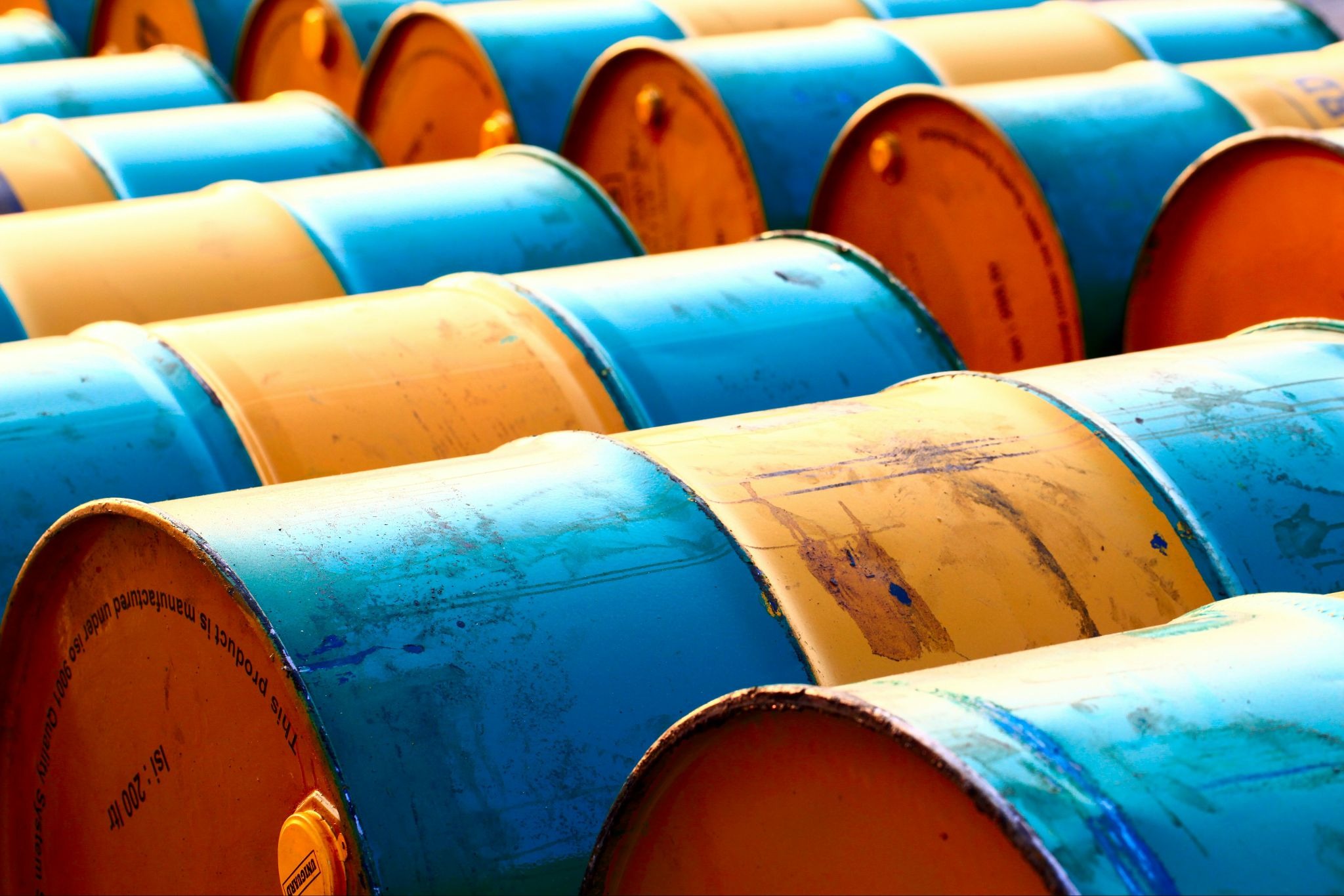
Saudi Aramco has kept its October selling price for Arab Light crude to Asia at $2 per barrel, below Oman and Dubai benchmark averages. The Oman and Dubai benchmarks are the reference prices for Gulf crude sold to Asia.
Aramco normally sells the Arab Light to Asia at a premium. The last time the price gap was this wide was in June 2020 during COVID-19, when they priced it $5.90 below the benchmark during the pandemic demand collapse, according to S&P Global Platts records.
The price hold came days after Saudi Arabia and six OPEC+ partners agreed on Sept. 6 to keep the October supply at September levels of 31.01 million barrels a day, pausing the four consecutive monthly increases.
While writing for Semafor, Wael Mahdi, an independent commentator on OPEC, said that this discount is a “strange price signal from a market still living within the constraint of Strait of Hormuz six months into the Iran war.”
“Discounts usually suggest too much oil chasing too few buyers, not a supply corridor operating far below normal levels,” he wrote. Mahdi identified this move from Saudi as a “refusal to surrender Asian customers rather than the opening of a new market-share war.”
Mahdi said OPEC’s biggest problem is that there is “too little willingness among its members to manage it together” and not just the volume of oil on the market.
The United Arab Emirates announced on April 28 that it would leave both OPEC and the wider OPEC+ alliance on May 1. UAE produced 3.4 million barrels per day of crude in 2025, which was about four percent of world output, according to the U.S. Energy Information Administration.
According to EIA calculations, OPEC produced 35% of the world’s crude that year and that share fell to 31% without the UAE being a part of the alliance.
The International Monetary Fund in December 2025 highlighted that the UAE, unlike Saudi Arabia, can balance its budget at a much lower oil price. The stated reason is that Saudi’s fiscal breakeven is at about $91 per barrel for 2025, whereas for the UAE it’s roughly $50. This gap gives the UAE an incentive to maximize output that Riyadh does not have a lot of leverage in.
The International Energy Agency counted 4.05 million barrels per day of effective OPEC+ spare capacity as of August 2025, with Saudi Arabia holding 2.43 million and the UAE 0.85 million. The Hormuz closure has since consumed that buffer: the IEA’s August report put OPEC+ effective spare capacity at 1.09 million barrels per day as of July.
Gulf producers have already been undercutting Saudi prices for Asian buyers. OilPrice.com reported in July that the UAE was offering its Upper Zakum and Das grades at $7 below Oman/Dubai, against Aramco’s $1.50 discount on Arab Light for August, with cargoes loaded at Sohar in Oman outside the strait.
One Indian refiner told Reuters: “I am getting Upper Zakum and Das at -$7, so why will I buy more Saudi oil?”
Aramco chief executive Amin Nasser said the company has kept crude exports near 5 million barrels per day, about 70% of the roughly 7 million barrels per day it shipped before the war, by rerouting cargoes through the East-West pipeline to Yanbu on the Red Sea. Asian refiners are pressing for discounts to offset longer voyages and higher freight costs.
Jorge Leon, an analyst at Rystad Energy, said the group’s decisions carry less weight while the war constrains physical flows.
“OPEC+ currently has very limited power over the physical oil market,” Leon said.
He said changing targets on paper does not ensure the barrels reach buyers; the Saudi discount applies to barrels Aramco can actually deliver, while the October quota remains a paper target.
The Energy Information Administration forecasts Middle East production will rise in the coming months from gradually increasing flows through Hormuz and the use of alternative routes, but it expects regional output to remain below pre-conflict averages until the second quarter of 2027. More Gulf barrels reaching Asia would add competing supply where Aramco is now discounting.
The International Energy Agency reported, that global observed oil inventories have fallen by 507 million barrels since February, including 95 million in August alone. The agency forecasts world oil demand will contract by 2.5 million barrels per day in 2026 compared with 2025 as higher fuel prices weigh on consumption.
The seven OPEC+ countries that froze October output, Saudi Arabia, Russia, Iraq, Kuwait, Kazakhstan, Algeria and Oman, meet again on Oct. 4 to set November production levels, and Aramco’s November price list follows within days. Beyond both sits the group’s audit of members’ maximum sustainable capacity, carried out by DeGolyer and MacNaughton, which will set the 2027 baselines and quotas when ministers meet in November.
Copy edited by Jori Johnson