

During Homecoming and graduation, some Howard students return to Eat Well Juice Bar on Georgia Avenue with their parents, pointing them to the woman behind the counter they have come to know throughout their years at Howard. Some students call her “mom.”
Mary Sam helps run the shop and manages responsibilities with her mother, Eat Well’s owner.
“We really lean on the Howard community for our home base,” Sam said, as faint blender noises could be heard from over the counter.
When students leave for summer and winter breaks, Sam said the shop feels their absence. During Homecoming and graduation, some students return with their families, bringing their parents inside to meet Sam’s mother.
Georgia Avenue is a familiar part of daily life for Howard students, with businesses along the avenue being a place to eat, study and connect with others.
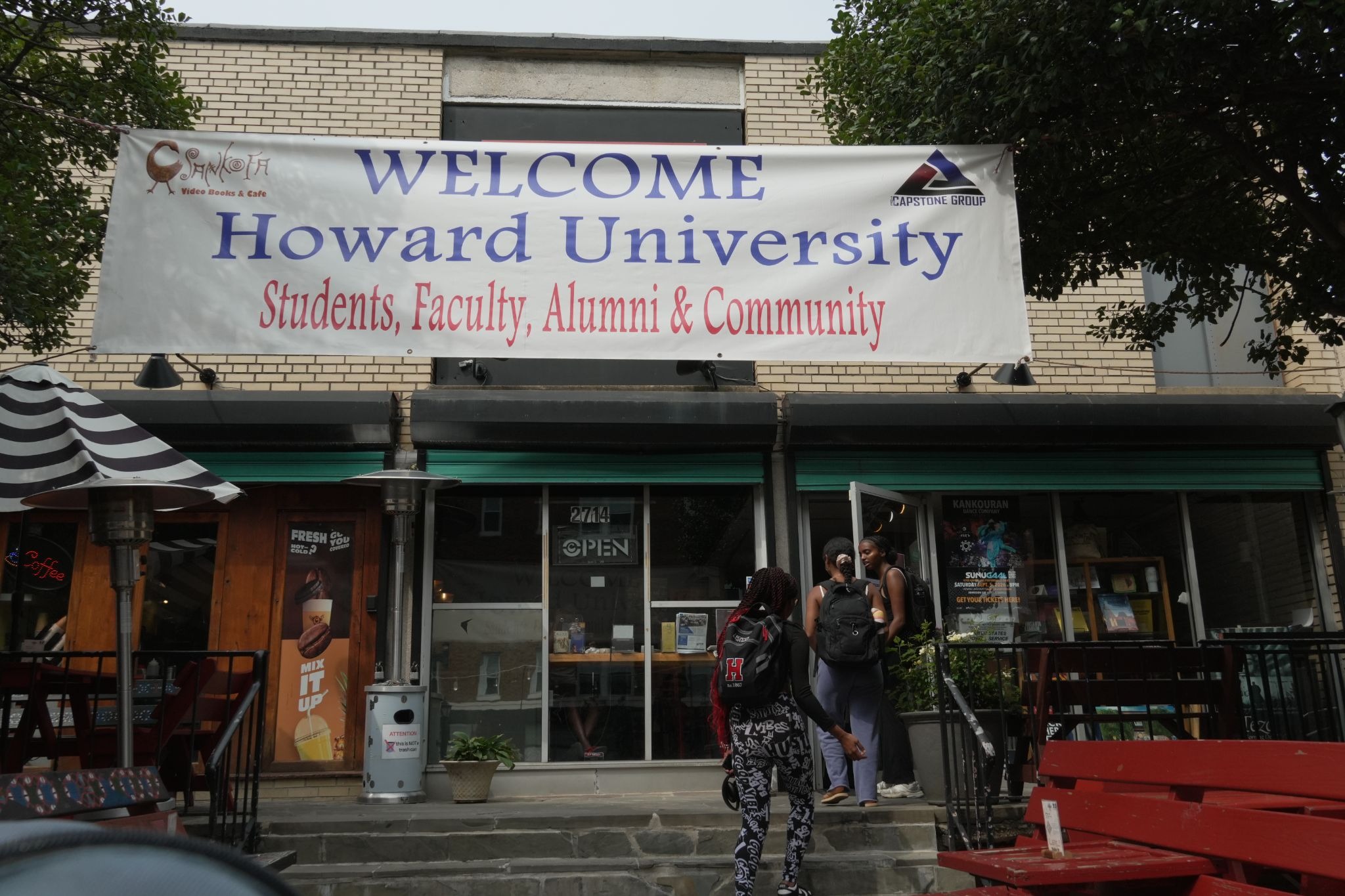
“It’s a great place to connect with other faculty and staff,” Bethany Emanbailey, a senior African Studies major from Atlanta, and regular at Sankofa Video, Books & Cafe, said.
For businesses along the avenue, a customer can become more than someone who walks through the door. Some have become places where customers can find familiar foods and pieces of home, while others have built connections through years of serving the Howard community. At the same time, however, owners have watched the avenue change over time, with rising costs, new developments and the loss of smaller businesses around them.
Ethiopian immigrants have been settling into the Washington, D.C. area since the 1970s when Ethiopia was experiencing a civil war, according to Global City Mission. The organization reports that the region is home to one of the largest Ethiopian communities outside of Ethiopia and cites the Ethiopian Yellow Pages’ listing of more than 1,200 Ethiopian-owned businesses in the D.C. area.
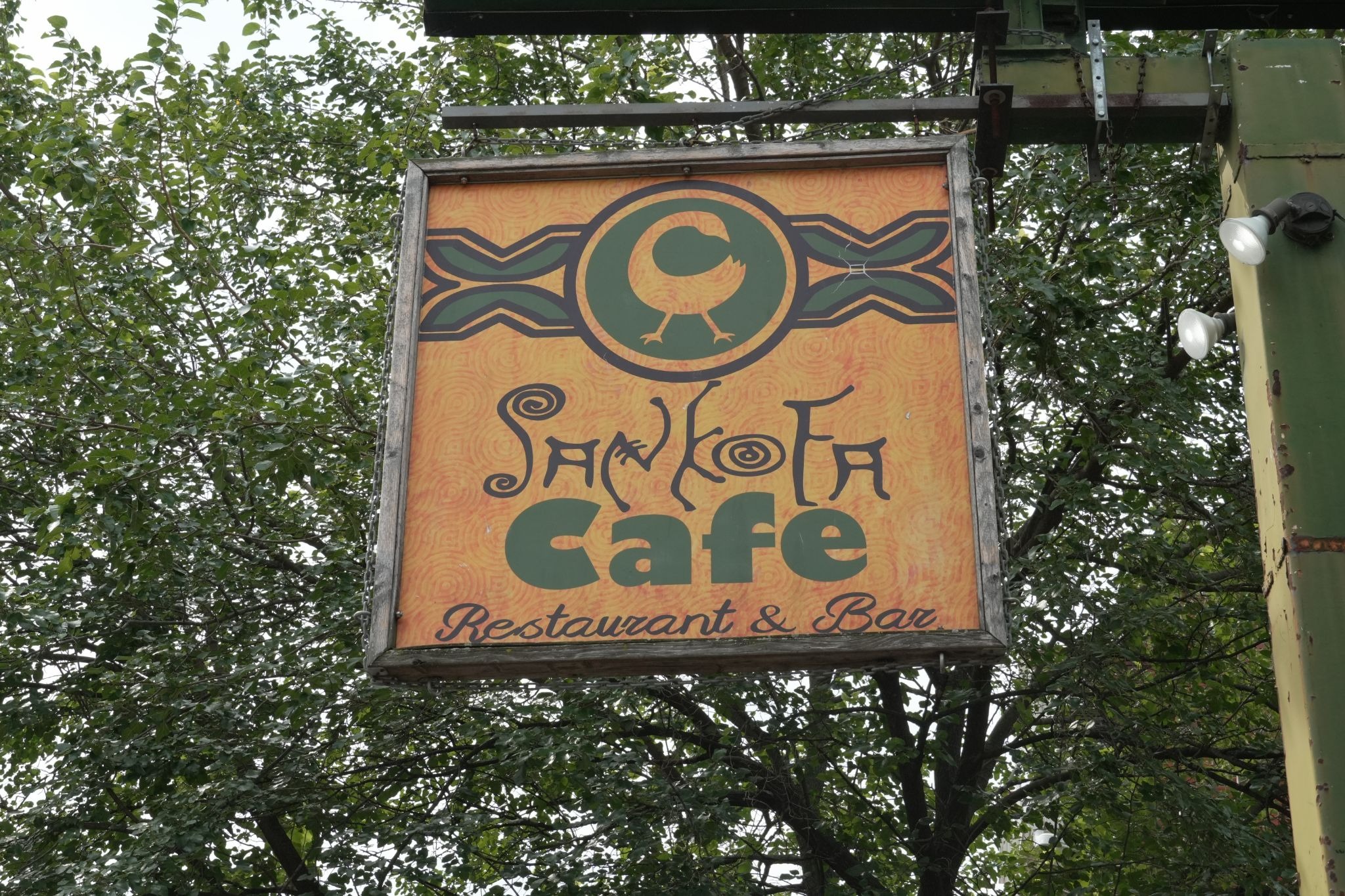
Sankofa offers a space that includes Ethiopian culture within its broader Pan-Africanism representation.
Emanbailey said she visits Sankofa several times a week, using the space to study. She also attends its events, including book talks and screenings. The cafe’s connection to Howard extends into the classroom, she said, with professors sometimes stopping by to talk with students.
For Emanbailey, that makes Sankofa more than somewhere to study. She said the space helps her stay “grounded” in her work as a student and writer, while connecting her to a wider community.
At Intoto Markets, an Ethiopian-owned market that has operated on Georgia Avenue for nearly 14 years, that sense of familiarity is rooted in culture over campus life. Owner Simile Teshoma describes the market as “a safe haven, a place to shop.”
“The market is centered around Ethiopian food and the culture,” Teshoma said, while employing staff from different cultural backgrounds. Customers can find “Ethiopian anything and everything,” he said, gesturing around the market.
Teshoma said he saw Georgia Avenue as a natural place to establish his business, because of the Ethiopian community already living nearby. Before opening the market, he worked in radio, where he learned about what people in the area wanted and needed.
Nearly 14 years later, he has watched the avenue’s commercial landscape change, with businesses opening and closing and new development altering the neighborhood.
“Everything is changing.” Teshoma said. It’s not like Georgia Avenue before. Now gradually it’s changing.”
That shift has also been visible to the family behind Eat Well Juice Bar, which has operated on Georgia Avenue since 2019.
The relationship affects how the family runs the business. Sam said they try to keep prices competitive for students and will sometimes offer a discount or allow a customer to make up the difference another time rather than lose the relationship over a small payment.
“I understand, like, obviously college students…everything’s super expensive. Like, you barely have any money,” Sam said.
Although Sam’s family is Eritrean and Eat Well is not specifically Ethiopian, Eritrea was part of Ethiopia until gaining independence in 1993. She sees her parents’ immigrant experience more so reflected in the way they approach their work. After arriving in Washington, D.C, her parents worked at gas stations and sandwich shops before eventually becoming business owners.
“They’ve always been hard workers, and owning your own business when you see the landscape rapidly changing is a super big accomplishment,” Sam said.

Harrar Coffee & Roastery, another Ethiopian-owned business along the Avenue, has also become a part of the neighborhood’s larger community.
After working at Harrar for around a year, Meron Teafera, an employee, found a more personal connection with the business. As an Ethiopian who does not live within an Ethiopian community, she said Harrar gives her a place to encounter people who share her culture.
“The energy is different,” Teafera said.
The changes along Georgia Avenue have made remaining rooted in the neighborhood more difficult. Sam remembers there being more small businesses operating when her family opened Eat Well. Since then, she has watched the neighborhood become increasingly expensive, while COVID-19 contributed to multiple business closures and Howard University’s real estate expansion is bringing new construction and development to the area.
As the avenue continues to change, the businesses that remain continue to rely on the people who walk through their doors, and those customers in turn have found reasons to keep coming back. For Emanbailey, Sankofa is a good place to stay connected to her work community.
“It’s a good spot for me to stay focused and grounded with the work that I’m doing,” Emanbailey said.”
Copy edited by Jori Johnson