

In 1924, Howard University students celebrated the first-ever alumni elected on the Board of Trustees, according to a list of historical trustees. Over a century later, a group of alumni are slated to bring the Board to court over the removal of student, faculty and staff trustee positions.
Between 2014 and 2021, the Board made various changes to the bylaws, which govern how the Board functions. The alumni plaintiffs claim that the Board’s governance committee Chair, and the Board’s illegal removal of elected alumni, student, and faculty Trustees violated its by-laws.
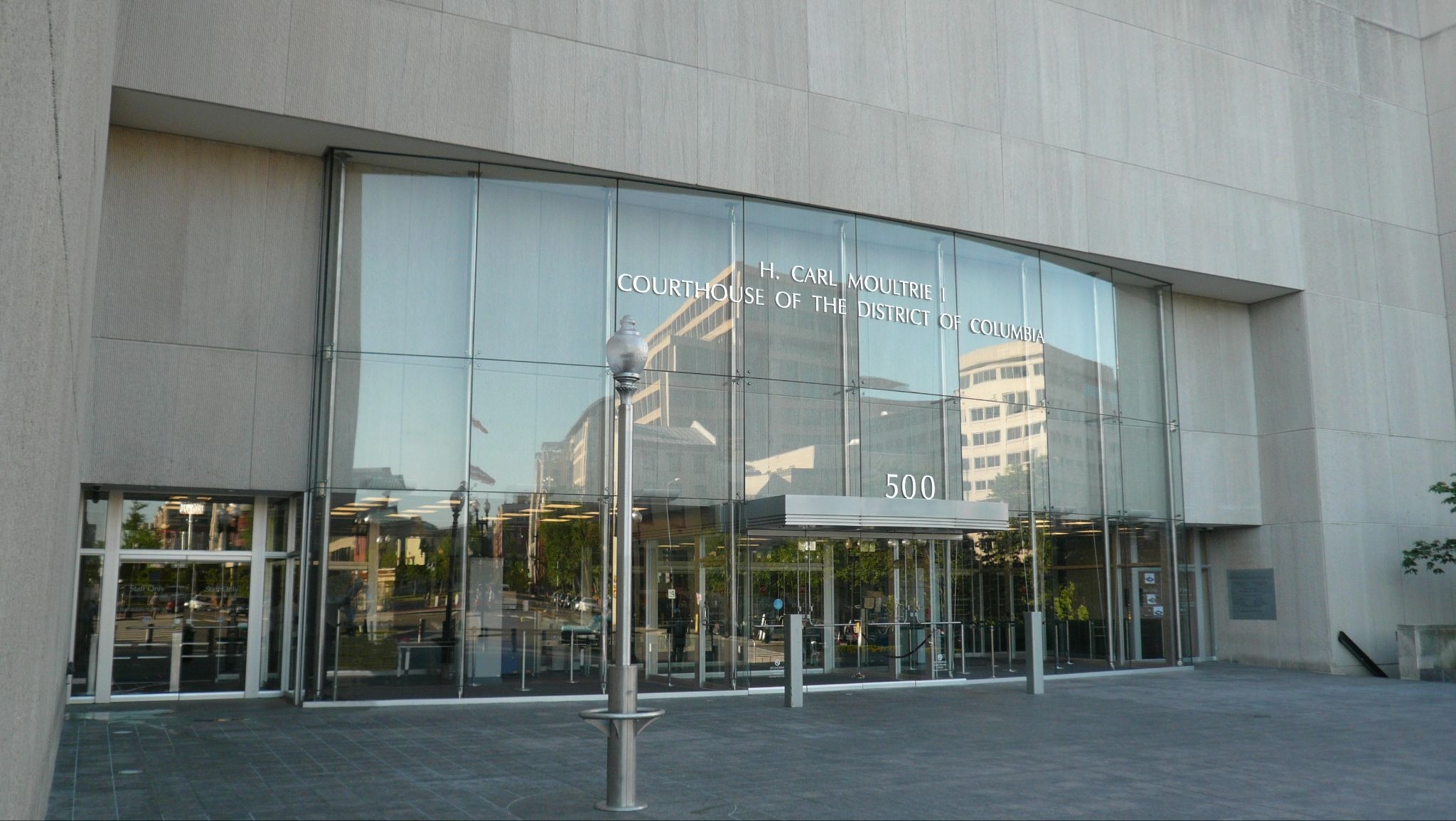
According to case documents, in 2020, student, alumni and faculty trustee elections were frozen by the Chair of the Trustee Board’s Governance Committee, which led to a vacancy in six of the seven affiliate trustee roles. On Friday, Aug. 28, a preliminary hearing will take place for Jenkins v. HU Board of Trustees.
Timothy L. Jenkins, joined by nine alumni plaintiffs, is suing the Board for violating its bylaws, which led to the Board’s vote to remove the affiliate trustee roles in 2021, at a time when most of the affiliate positions were vacant from the suspended election. While there are still alumni on the Board today, they are appointed and not elected.
Bill “Damani” Keene is a former Board member and one of the plaintiffs. He believes that the actions of the Board threaten shared governance within university leadership.
Keene, who served on the Board from 2014 to 2017, said affiliate trustees brought perspectives into Board discussions that otherwise may not have been represented. While students, faculty and alumni trustees were expected to act in the best interest of the university like any other trustee, he said they also had a responsibility to bring the concerns of the constituencies that elected them into the room.
Keene’s concern for the elimination of the positions was not simply the Board’s decision to restructure itself, but how it went about doing so. He said student, faculty and alumni elections were halted or not honored before the positions were eliminated and alleged that the affected groups were not consulted beforehand.
“The last thing that I ever thought I would do is sue Howard University,” Keene said.
After alumni and other stakeholders attempted to address their concerns with the Board, he said the plaintiffs felt they had “no alternative” but to pursue the issue in court.
As a student in the 1950s, Jenkins served as the student president of the College of Arts and Sciences. He also served on the Board in 1970 and introduced the motion to dedicate trustee positions for students and faculty.
“The whole purpose and spirit of opening the Board of Trustees to be inclusive of all our constituencies was to ensure unadulterated input,” Jenkins wrote in a 2015 letter to the chair of the Board after a change in the bylaws.
“It’s clear that the current Board knows nothing of that history, has no respect for that history, and has no intention of following the spirit of inclusive representation,” he said in 2021 following the removal of affiliate positions.
Donald Temple, a 1975 Howard alumnus, will represent the plaintiffs in court. He hopes to be granted a partial summary judgment motion so that the court is only considering one issue: whether the Board violated its bylaws. The university has filed a motion to dismiss.
“We feel that if the court looks at the case, it looks at the facts, there’s a clear violation of the bylaws,” Temple said.
Temple believes that the role of affiliate trustees fulfills Howard’s chartered commitment to its community and is the most effective way to ensure true shared governance.
Temple, who represented the students behind the 2018 A-Building Takeover and 2021 Blackburn protests, explained that without an effective voice on the Board, the only means of change is through protest.
“Students have a voice. They understand what tuition means, what type of curriculum they want to see, they understand faculty accountability,” Temple said.
“[Appointed Board members] don’t have the sensitivity that students and alumni bring, particularly when elected by their respective constituencies,” he added.
A spokesperson from the university said they do not comment on pending litigation. Lauren Haggerty, the attorney representing Howard University in the lawsuit, did not respond to a request for comment in time for publication.
Copy edited by Sydney Middleton