

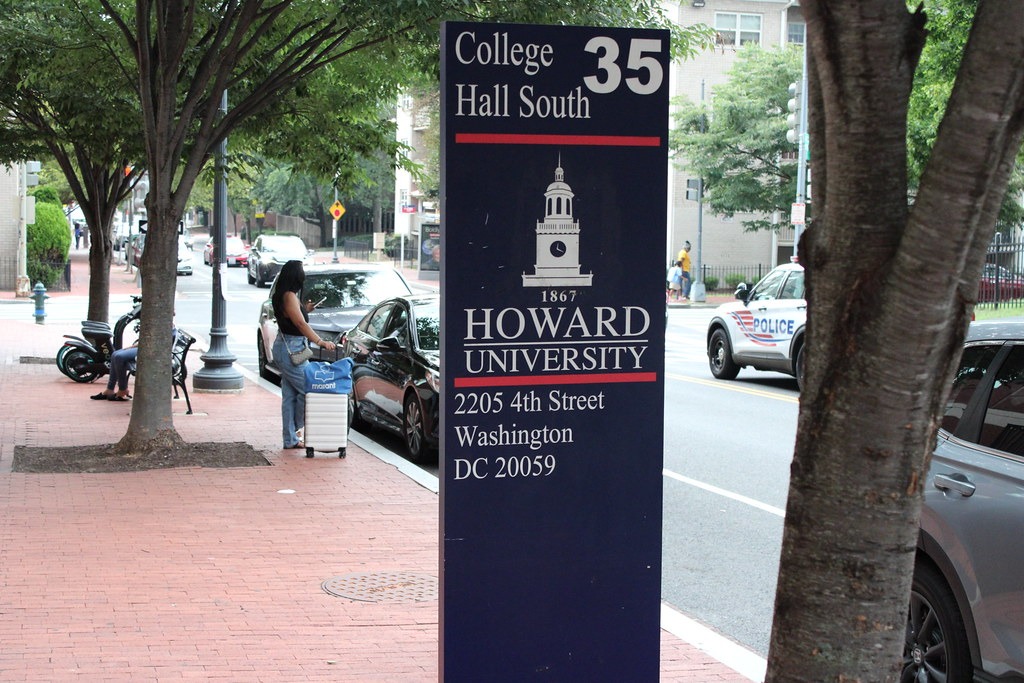
On July 22, two weeks before freshman move-in week, A’Zariah Miles, an incoming freshman, received an email from Howard University’s enrollment management stating that she was unenrolled from the university.
Miles planned to travel from her hometown of Knoxville, Tennessee to Washington, D.C. for the upcoming fall semester. That morning, she was alerted that because she did not meet initial tuition payment deadlines, Howard would no longer hold her place in the incoming class.
“I was just like, ‘Okay, I mean, what is there to do now,’” Miles said. “Everything was just crumbling down on me.”
According to the Office of University Communications, 502 prospective freshmen received emails revoking their enrollment. Within hours of the mass emails, social media platforms were flooded by a wave of backlash from Howard’s unenrolled students, families and alumni. Since then, more than 200 of those freshmen have been re-enrolled; the class of 2030 now stands at 2,589 students.
Howard’s interim president, Dr. Wayne A.I. Frederick, attributed the situation in part to a perception among some students that Howard would find a way to support them financially if they were admitted.
“I think there’s still a thought that if you get into Howard and you don’t have the money, just go there; they’ll take care of you,” he said.
Frederick told The Hilltop that the university has limited resources.
“When we don’t have the resources to take care of the students in the way that we want to, then people criticize us,” he said. “They don’t recognize that doing all of these things at the last minute and trying to accommodate people who don’t fill out the forms, etc., doesn’t make the place efficient.”
Frederick also released a public statement announcing that each student who received an unenrollment notice was evaluated, with some having their enrollment restored.
“For students whose enrollment cannot be restored for fall 2026, we are exploring future pathways,” he said.
He added that a “comprehensive enrollment strategy” will be introduced next year to improve the enrollment process.
Frederick also said that students were provided multiple reminders of payment deadlines through financial aid packages in March upon acceptance, BisonPrep programming and opportunities to submit scholarships, veteran benefits, payment plans, tuition remission and loans.
“The timing of our decisions reflected the final stage of that process after multiple communications,” Frederick said.
Miles said her external scholarships were sent well in advance of the July 10 payment deadline, which requires 50% of tuition balance paid before move-in for first-time-in-college students. However, according to Miles, Howard’s administration claimed not to have received her scholarships.
Another option was to enroll in a five month payment plan starting July 15, but she was deemed ineligible because her balance was below $5,000.
Kendra Akoto, a now freshman international business from Atlanta, said she spoke with a financial aid advisor prior to the July 10 initial 50% payment deadline. During the call with the financial aid representative, she was advised that internal scholarships, grants and financial aid covered any balances on her account, Akoto said. However, she later found a $1,800 balance on her student account.
Similarly, Miles said that she also received conflicting information about her balance.
Prior to July 22, her online balance was $2,873, but when she tried to enroll in a payment plan, the website stated that her balance was at $151. After she was unenrolled on July 22, her financial aid was removed and her balance increased to $8,649. That day, she repeatedly called and emailed the university until an administrator responded stating that the unenrollment decision was final, she said.
Some students have been reinstated, including Miles and Akoto.
This is not the first time the university has faced enrollment issues. Last year the university accepted its largest class, with many facing financial delays and housing shortages. In the past, students noted a familiar pattern in the school’s financial history.

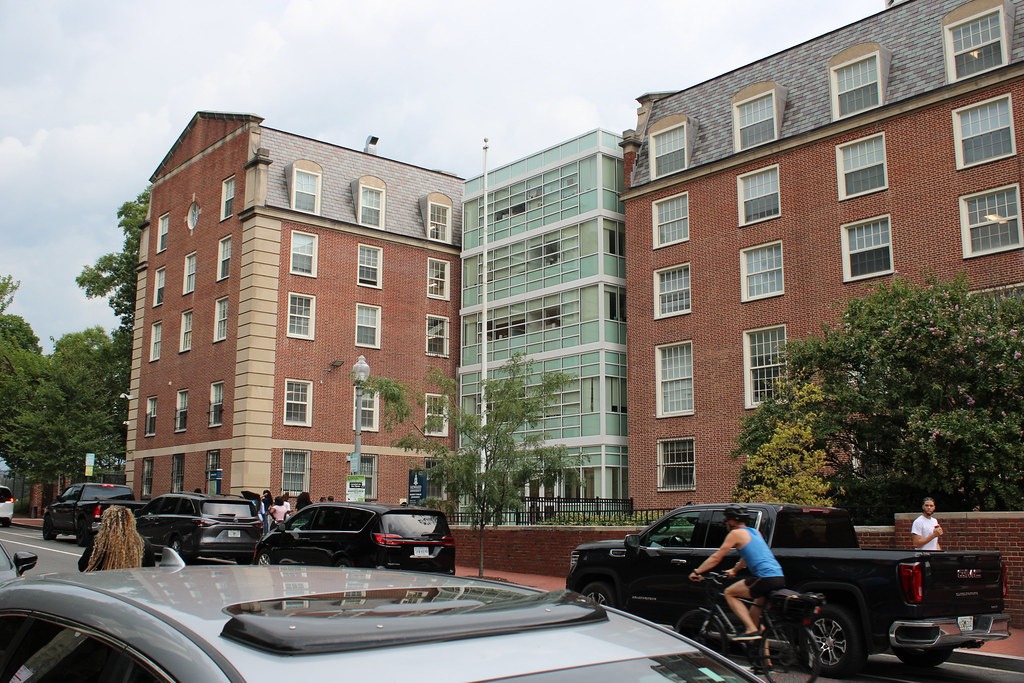
Some of the backlash stemmed from an accusation circulated on social media that the situation resulted from the overenrollment of over 300 students. The Scholarship Mama, a college advice and financial help influencer, shared a screenshot online of an alleged July 15 Microsoft Teams call between Howard University staff and leadership discussing de-enrollment of students as a remedy for overenrollment.
Frederick denied this accusation. “That’s not accurate,” he said. “At no time in the process did we have more students than we had housing and capacity for.”
Given that the standard May 1 enrollment deadline for some colleges and universities passed, many unenrolled Howard students feel wrung for options to pursue secondary education this fall.
“I didn’t want to take a gap year, and Howard took that opportunity away from me,” Faith Ngwa, a prospective freshman, said.
Ngwa, who is one of the first in her family to attend college, said that navigating the situation alone is challenging.
Frederick explained that the university is committed to addressing students’ concerns by working with the student body to improve university communications.
“Now, we have to step up to the plate and meet that challenge and make sure that we provide you with what you need,” he said.
The status of the students who were not officially re-enrolled remains unclear.
In response to the mass unenrollment, some colleges have extended their admissions deadline and others reopened admissions, including the University of the District of Columbia, the State University of New York and the City University of New York, amongst others.
Miles said she felt blindsided by the situation.
“Howard being my dream school, it really disappointed me. I wasn’t prepared for it,” she said.