

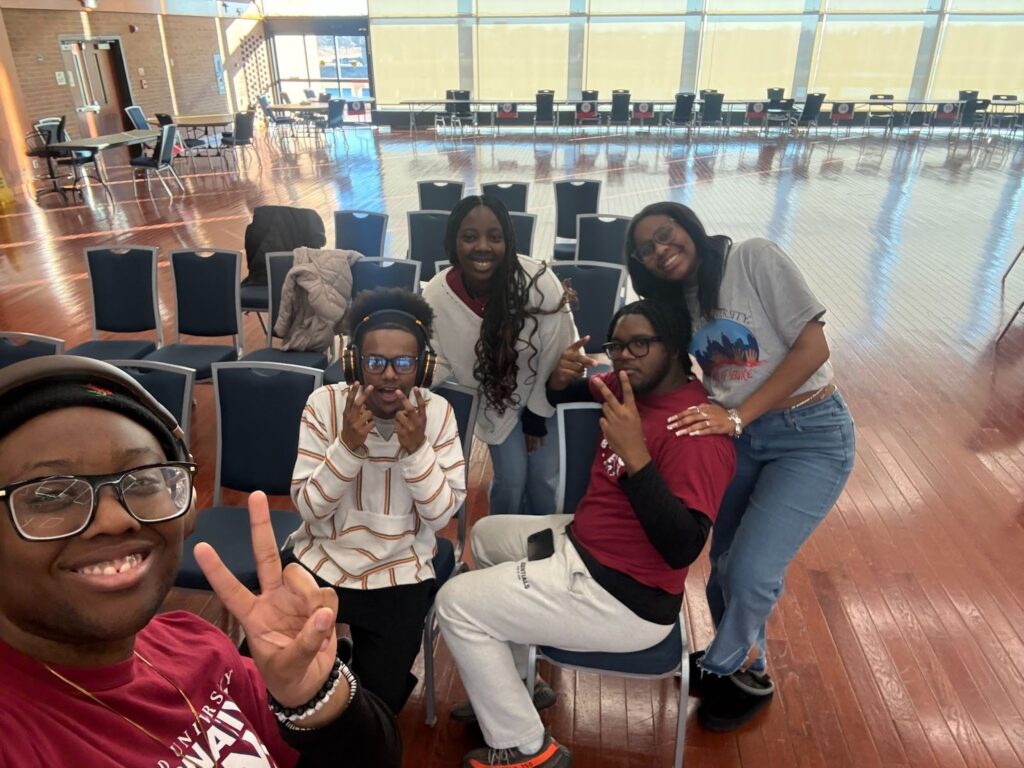
While many college students spend the first half of their spring semester dreaming of Miami beaches and Fort Lauderdale parties, a dedicated subset of Howard University students is operating on a completely different timeline.
For the leadership of Howard University Alternative Spring Break (HUASB), the “break” is the culmination of nine months of rigorous, student-led labor. From the outside, HUASB looks like a fleet of coach buses departing from Georgia Avenue. From the inside, it is a complex, logistical machine that begins turning while the previous year’s graduation stage is still being dismantled.
The work starts in the summer with the formation of the “Steering Committee,” led by two executive student directors. While many students are home for the break, these student leaders are already finding sites and establishing the year’s mission. Unlike many university service programs that are faculty-managed, HUASB is student-run.
“Every decision depends on reliable data,” said Philemon Cobbinah, Database Manager for HUASB. “I’m constantly thinking about how to build systems that don’t just work for leadership, but also serve participants.”
HUASB committees reach out to volunteer organizations across the country, coordinate housing and secure the necessary partnerships to ensure that hundreds of students can serve at no cost.
Cobbinah shared that the behind the scenes work is full of spreadsheets, databases and double checking.
“If the data isn’t right, nothing else flows smoothly,” he said. “However, the data only tells half the story.”
As the spring semester begins, the heavy lifting moves to the site coordinators and team leaders. These students are the link between the executive planning and the actual student experience.
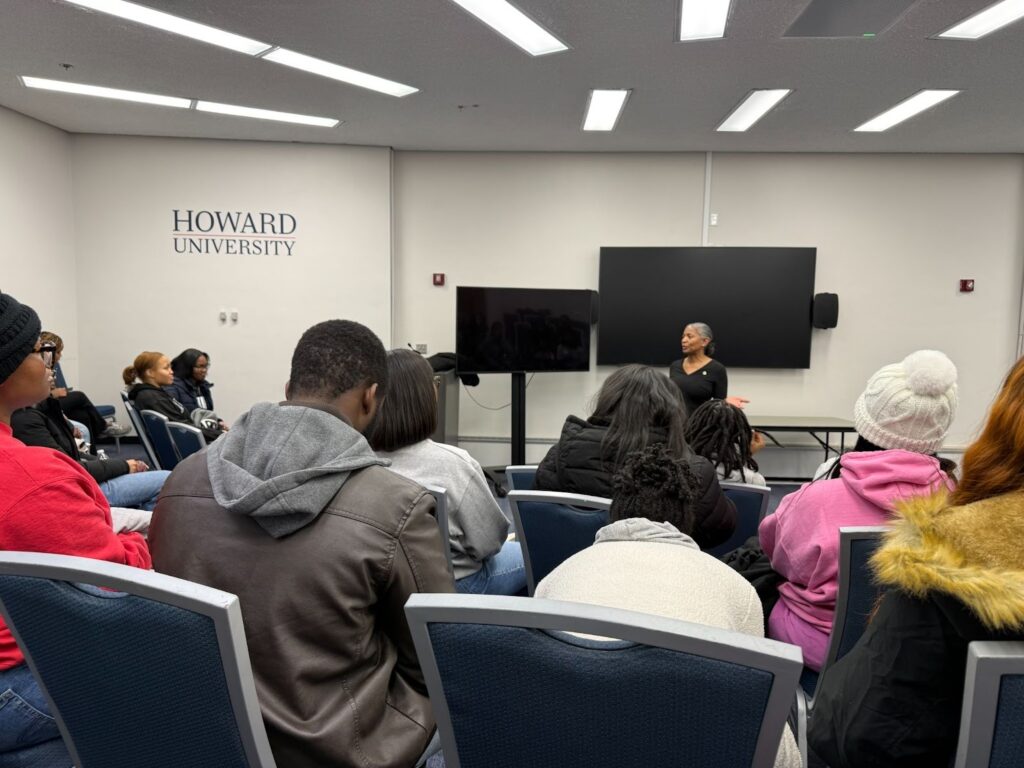
Weekly meetings and retreats are designed to break down barriers, ensuring that when the groups finally arrive at their sites, they can perform as a cohesive unit. Saniya Calhoun, an HUASB team leader, notes that the internal work is just as important as the external service.
“A lot of ASB is bonding with your group,” Calhoun said. “It’s about making yourself open so people feel comfortable.”
This intentionality is the fuel for many of the visible milestones for this initiative, like the Radiothon. This event primarily serves as a fundraiser, with students lining up and down Georgia Ave, calling on drivers and pedestrians to tune into WHUR-FM and donate money to the trip.
Beyond that, the Radiothon also serves as a trial run for the service ahead. It forces participants to connect on a deeper level. Seeing the community show up validates the hard work required on the back end.
Managing dozens of sites and hundreds of students is not an easy feat. From the start of January until the moment the buses leave, Cobbinah shared that his role “centers on organizing and analyzing the data,” to minimize disruptions by keeping databases clean so the leadership team can respond quickly.
Both Calhoun and Cobbinah shared hopes for the community to look beyond just the service itself. For Calhoun, the months of “hidden preparation” are a means to an end, a “reclamation of self-identity” for every student involved. She noted that by removing financial barriers and streamlining logistics well in advance, the leadership team creates a space where participants can ignore the “how” and focus entirely on “broadening their worldview.”
Cobbinah built on this, viewing the administrative aspect as a moral obligation to the communities they visit. He believes that truly meaningful service requires a foundation of “intention, structure and accountability.” To Cobbinah, HUASB isn’t defined by the destination, but by the thoughtfulness of the preparation and the responsibility with which they serve.
“If students return with a deeper appreciation for organized, sustainable impact, then we’ve done our job well,” he concluded.
Copy edited by D’Nyah Jefferson – Philmore