

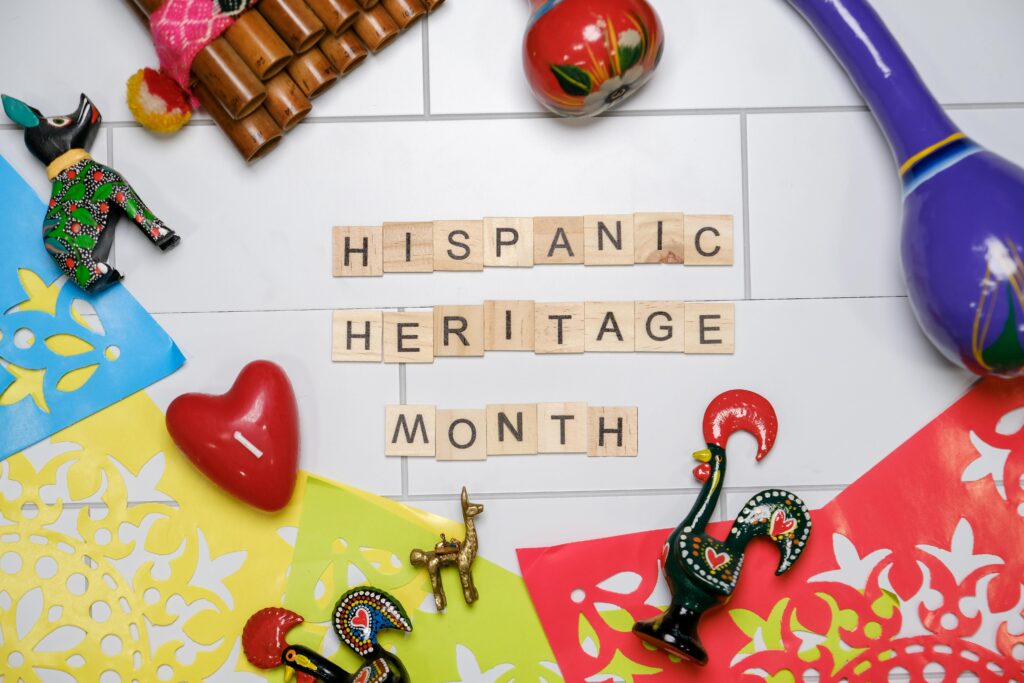
For many Afro-Latino students and families, Hispanic Heritage Month is both a celebration and a reminder of what feels at risk. While festivals, food and community events bring joy, the political climate leaves many wrestling with fears about immigration, belonging and how the community is represented.
The month, which runs from Sept. 15 to Oct. 15, traditionally honors the independence anniversaries of several Latin American countries and recognizes the contributions of Hispanic people to U.S. culture. More than 68 million Hispanics live in the United States — about 20 percent of the population, according to the U.S. Census Bureau — making them the largest ethnic group in the country. But as the celebrations unfold, many note that joy is complicated by anxiety.
Pamela Blanco, an administrative assistant at Howard University whose family is from Honduras, recalled being pulled over with a friend on U Street earlier this month.
“There were two police officers and three ICE agents with them… in that moment, it broke my heart because I thought, ‘What if this would have been a regular family trying to go home to their kids after a long day of work?’” Blanco said.
For her, the encounter underscored a reality that shadows this year’s Hispanic Heritage Month: celebrations of culture and identity run alongside anxieties about immigration enforcement and erasure of culture.
Blanco said the fear has tangible effects.
“My commutes haven’t been that bad since these raids started and I wonder if it’s because a lot of people aren’t coming to D.C. anymore. A few of my dad’s employees… told my dad they don’t want to work here,” said Blanco.
Her father owns a landscaping company in Washington, D.C., where some employees hold work permits but not green cards.
Those fears grew after the Supreme Court’s Sept. 8 decision in Vasquez Perdomo v. Noem, which upheld the right of immigration agents to stop anyone they suspect of being immigrants lacking permanent legal status, even based on race or language. The ruling, activists warn, gives cover to racial profiling.
At Howard, where Afro-Latino students make up about 6.5 percent of enrollment, students describe Hispanic Heritage Month as both a celebration and a responsibility. For many, food and family remain anchors of identity. For others, like Kianna Harrison and Amaya Ruiz, the focus is on representation and correcting the narratives that they say too often flatten their experiences. Still, students stress the importance of cultural pride.
“Being in college, I want to make sure that other Hispanic people know that it is possible to succeed even when you’re born in a different country,” said Jhanna Rondan, a Dominican sophomore finance major on the pre-law track.
Rondan said her favorite way to celebrate is by eating dishes like mofongo, a popular dish in the Dominican Republic with West African roots made with fried pork and plantains.
“All Hispanics are not aliens, as they call them. They’re human beings who work and pay taxes…So they shouldn’t be getting punished for trying to be successful in life,” Rondan said.
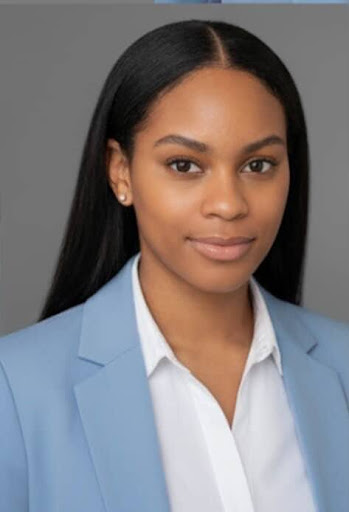
Many people find community in ¡Changó!, an Afro-Latin student association and Spanish-speaking society at Howard.
“We have a lot of different Hispanic clubs,” said Amaya Ruiz, a sophomore marketing major of Cuban descent from Atlanta. “I was really involved my freshman year, which opened my eyes to how many Hispanic people are at Howard.”
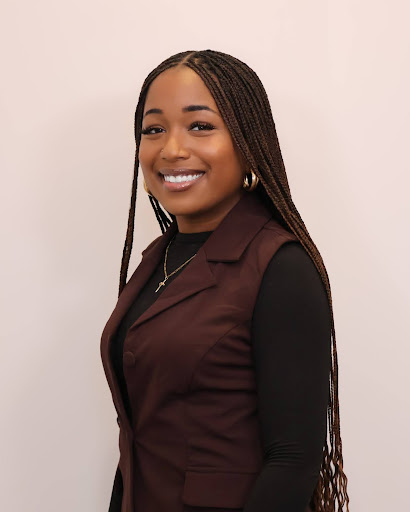
Beyond campus organizations, Ruiz said she also stays connected to her heritage through the traditions she shares with her family.
“My family cooks and spends time together. Having that community there is really important. Calling them now in college and cooking helps me appreciate them and where I come from,” Ruiz said.
Howard University accepts Black people across the diaspora, with students finding community among their peers.
“There is a community. There’s Hispanics who don’t speak Spanish. We’re kind of learning from each other and embracing our culture together,” Ruiz said.
While the terms are often used interchangeably, “Hispanic” refers to people from Spanish-speaking countries, and “Latino” or “Latina” more broadly refers to people from Latin America, regardless of language.
As a sports administration minor, Ruiz said she wants to change how Hispanic women in her field and Black male athletes are portrayed. She noted that athletes are often treated more like trophies than people.
By sharing her career story and success, she hopes to open doors for other Afro-Latinas in the sports industry. She also emphasized the importance of Hispanic professionals telling their stories to inspire younger generations, showing them that success is possible in any field, no matter where you’re from.
Kianna Harrison, a freshman journalism and film major who is Puerto Rican and Haitian, worries that the actions of the current administration are erasing the history and culture of Hispanic communities.

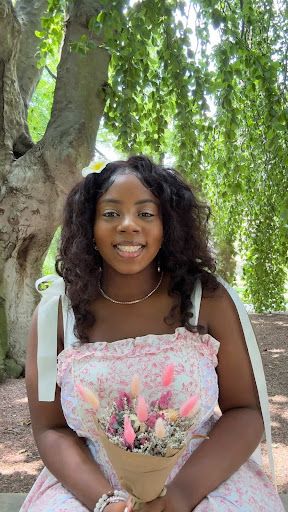
“We need to put people in office that are not trying to silence the voices of minorities, which is ironically, now the majority,” Harrison said. “We have so much European history, yet it isn’t taught from every lens and aspect.”
Harrison said she wants to accurately show people of color in different lights and fields that are not really depicted, to give more people identity coverage.
“Those images can be harmful to their community, not only because it puts them in a box of what they can and can’t be, but also challenges how authentically they are to their own race,” Harrison said. “We just need to change those who control the media, those who gatekeep the narrative of what those people should look like.”
Copy edited by Damenica Ellis